Selected Work
A few snapshots of recent projects.
Full case studies are available upon request.
2025
Zendesk
Role: Lead Product Designer
Scope: Zero-to-one workflow automation product; distributed initiative that grew to more than 30 contributors
Outcome: Production-ready MVP in 77 days; 150+ Early Access customers
Enterprise
Action Builder
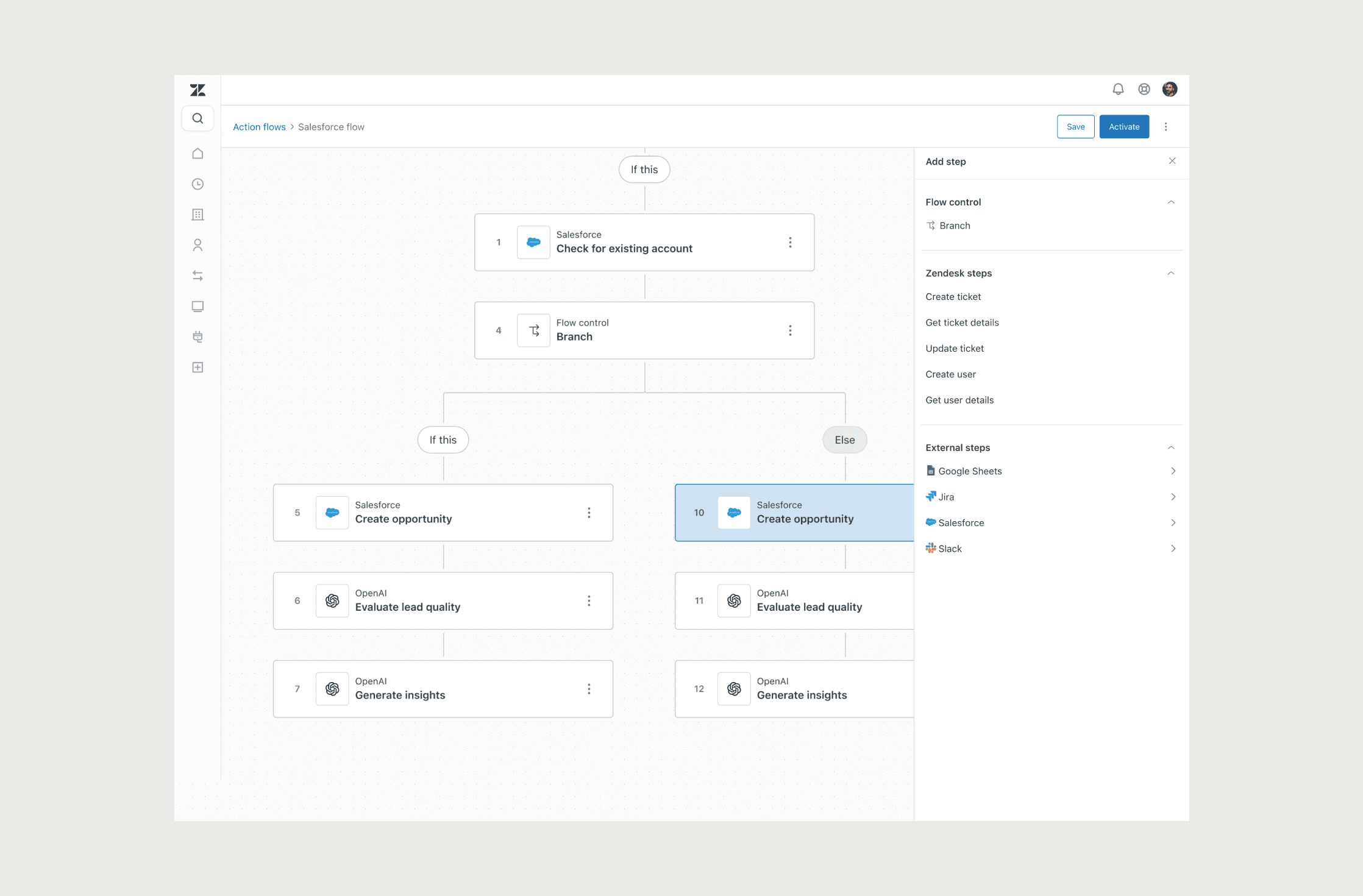
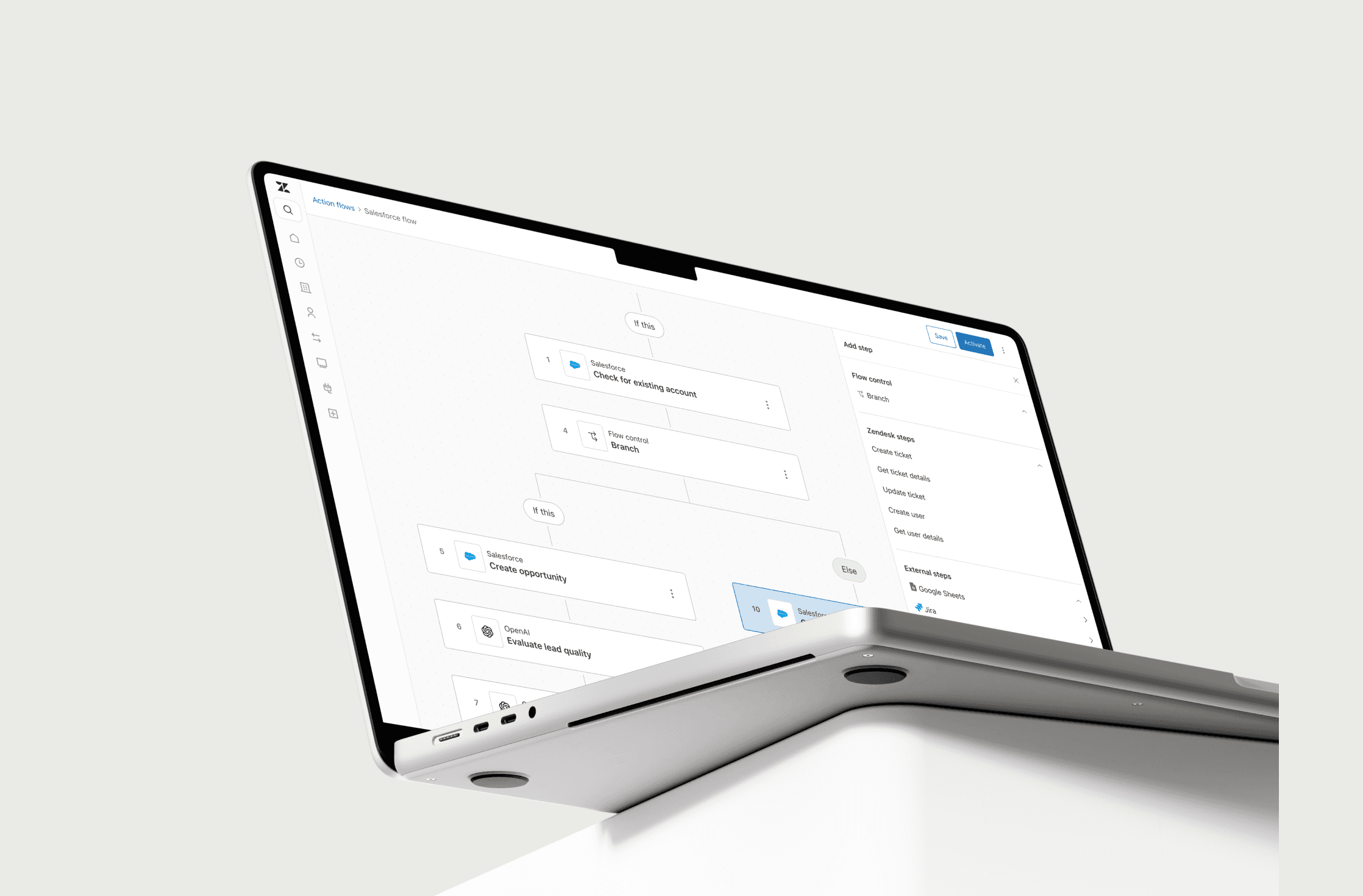
Action Builder is a no-code tool that lets Zendesk administrators automate complex processes without relying on engineers or third-party tools. I led product definition and end-to-end design from initial concept through MVP launch, working across product and engineering as the initiative expanded.
Problem. Zendesk Admins lacked a simple, powerful way to build automations directly in the platform. The challenge was to design a flexible workflow system that could scale, while bringing a fast-growing, distributed team together around a shared vision and plan.
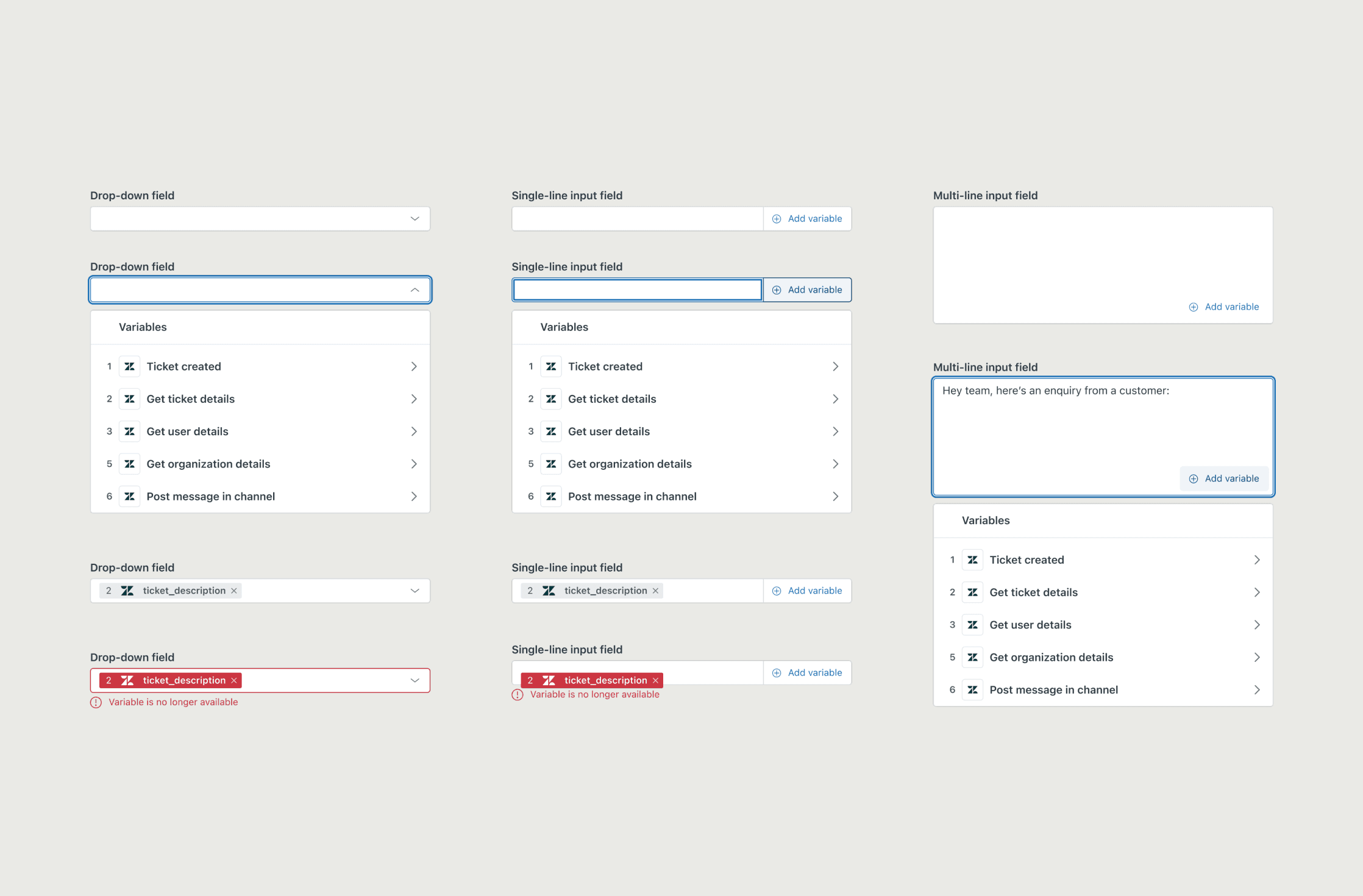
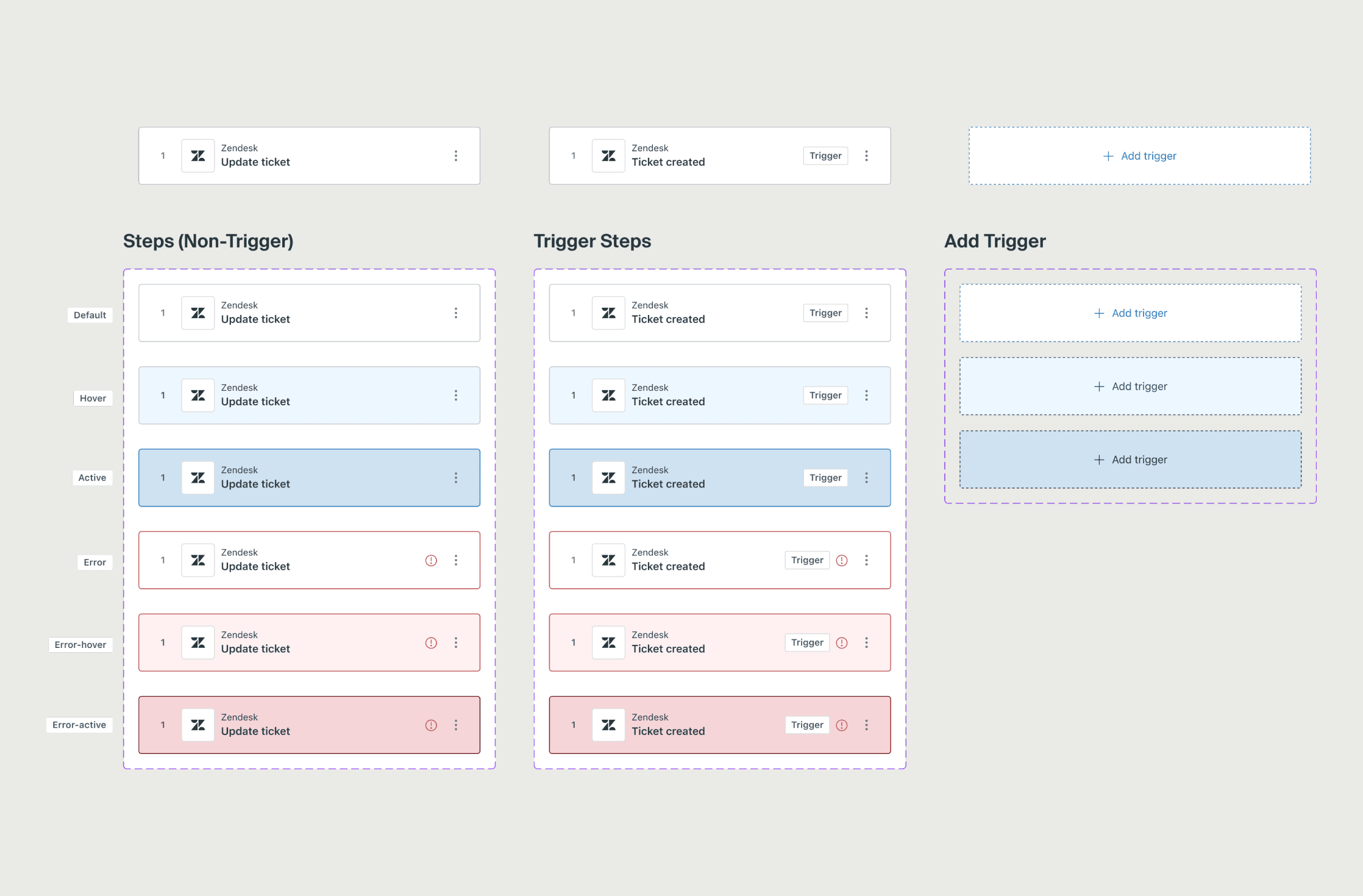
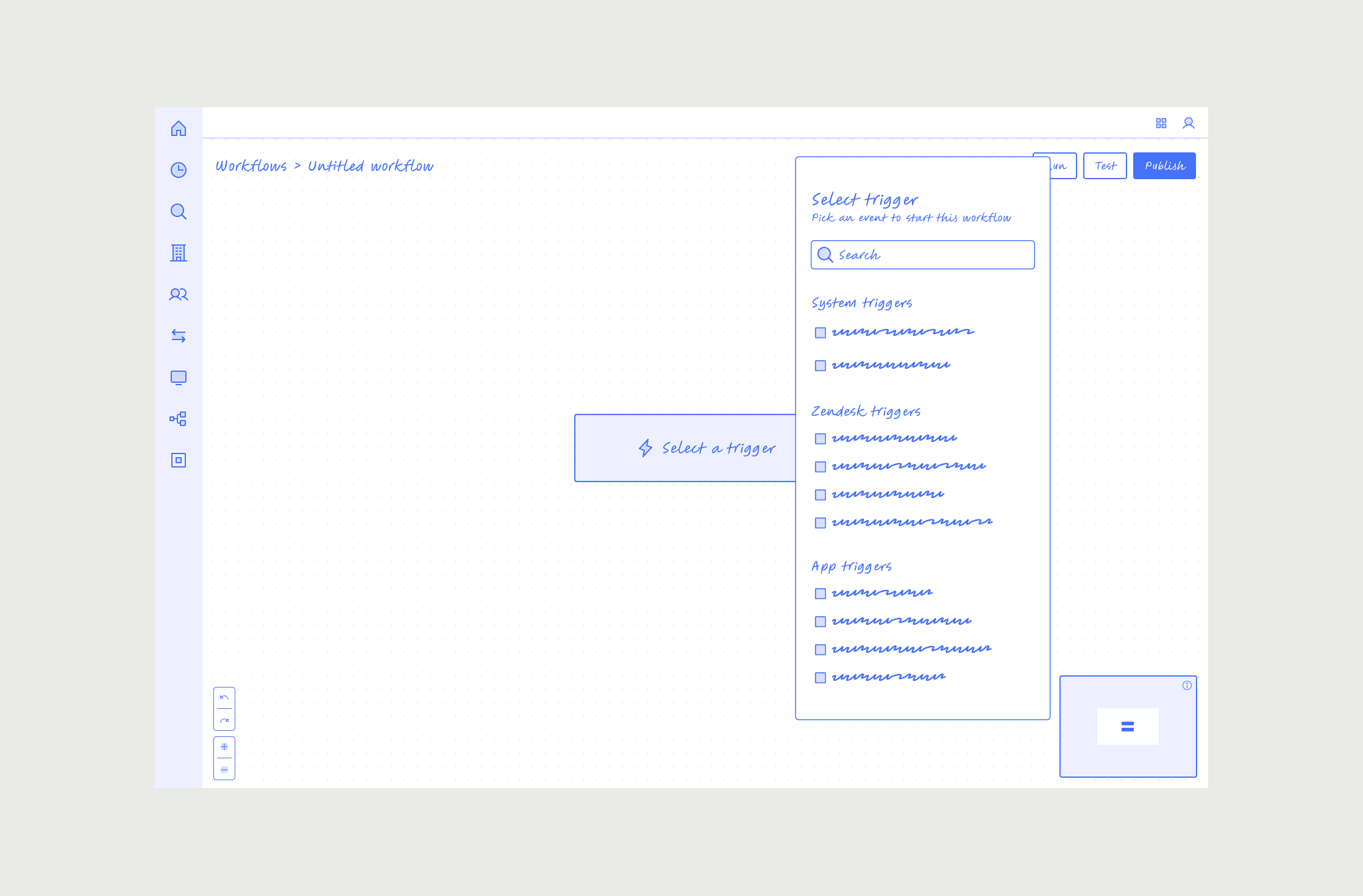
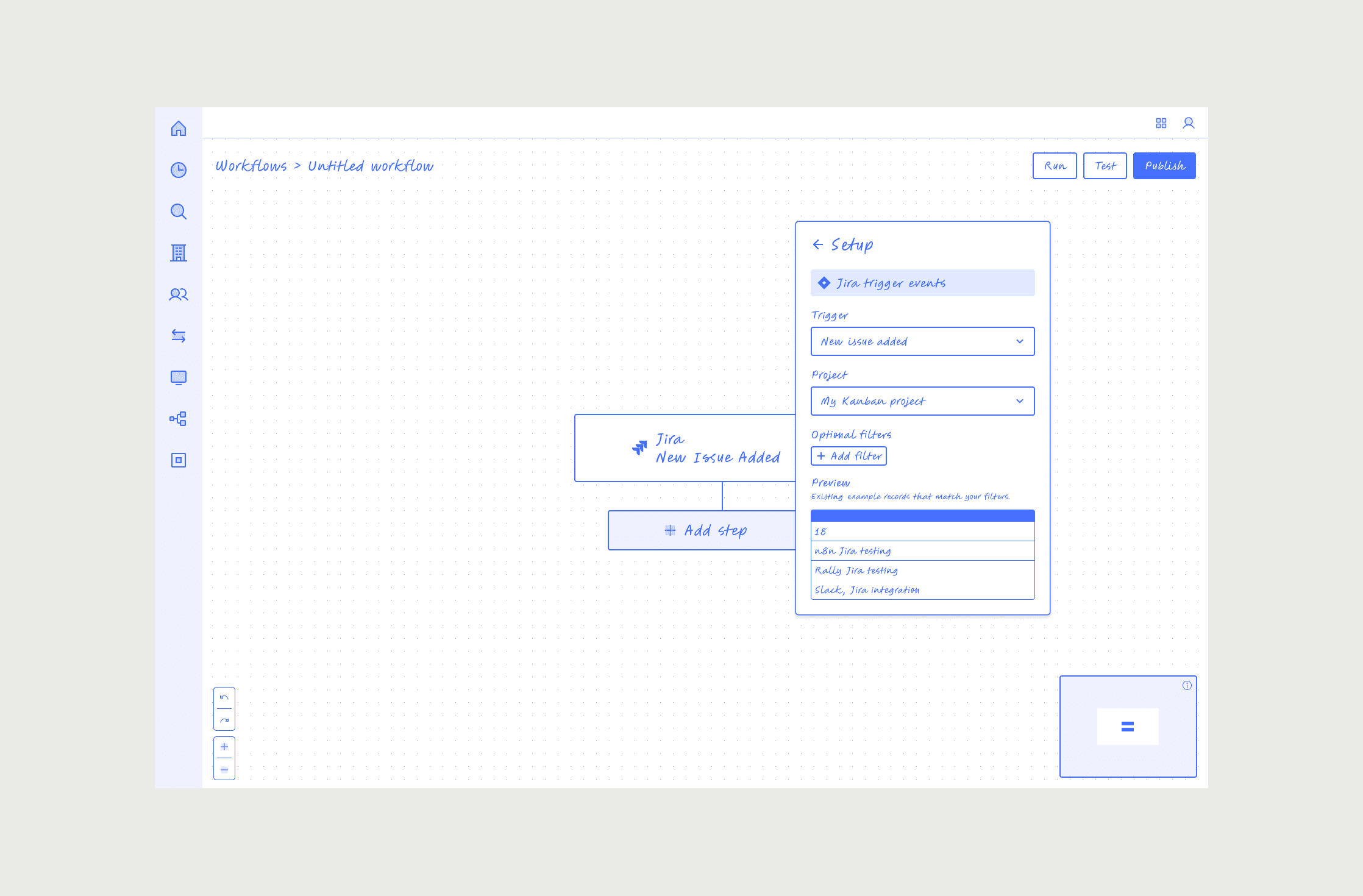
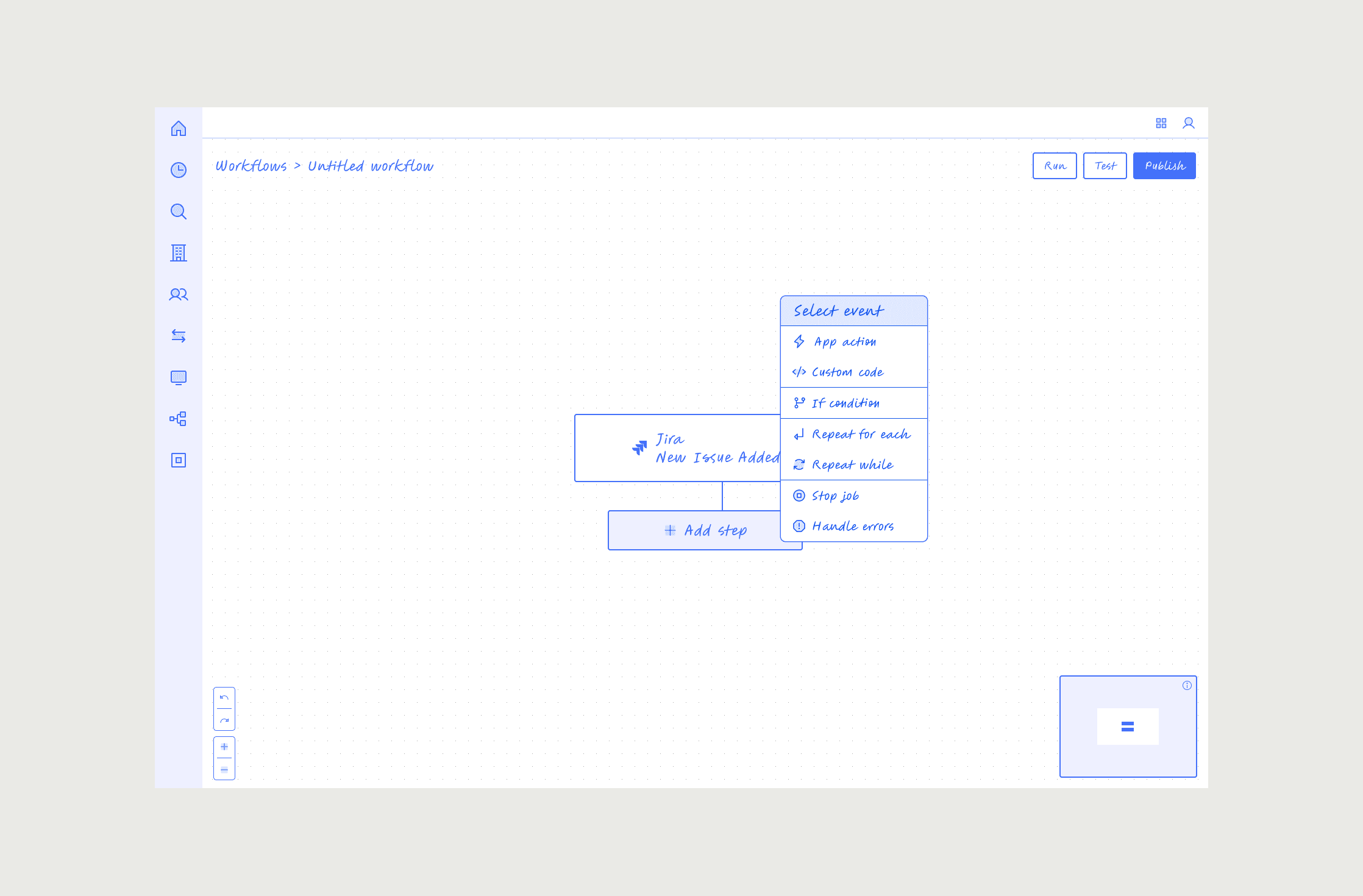
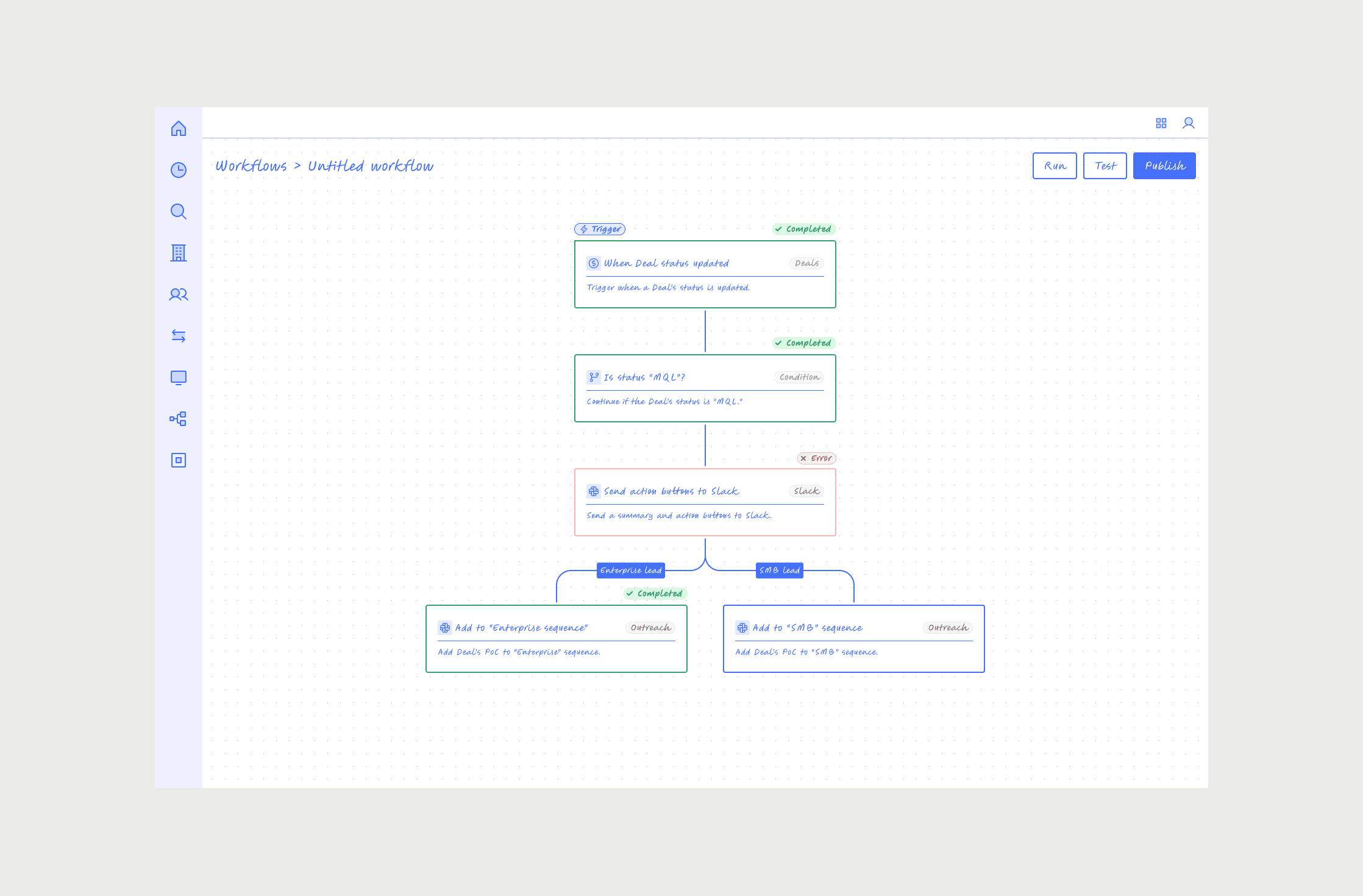
Approach. I modeled the underlying system and introduced early scaffolding to map the overall experience and establish key interaction patterns. This gave product, design, and engineering something tangible to evaluate before visual design began. As the initiative expanded, I established regular design–engineering syncs, asynchronous feedback, and shared documentation to maintain alignment.
Outcome. Working closely with product and engineering, we shipped a production-ready MVP in 77 days. More than 150 customers joined the Early Access Program, validating demand and establishing the foundations for Zendesk’s broader automation platform.
Scaffolding Process
When designing new products and features, I sometimes use scaffolding: high-fidelity blueprint wireframes that map the experience before visual design. This makes product thinking tangible, enabling rapid iteration and earlier team discussion.
2020
Cluey Learning
Role: Founding (Solo) Product Designer
Scope: Zero-to-one internal operations platform; product definition, research, workflow design, and cross-functional delivery
Outcome: Reduced outbound calls by 50% and staffing and operational costs by 5%
I was the Founding Product Designer at Cluey and helped lead the creation of a personalized online tutoring platform for years 3–12, covering Maths, English, and Chemistry.
Startup
Session Monitoring System
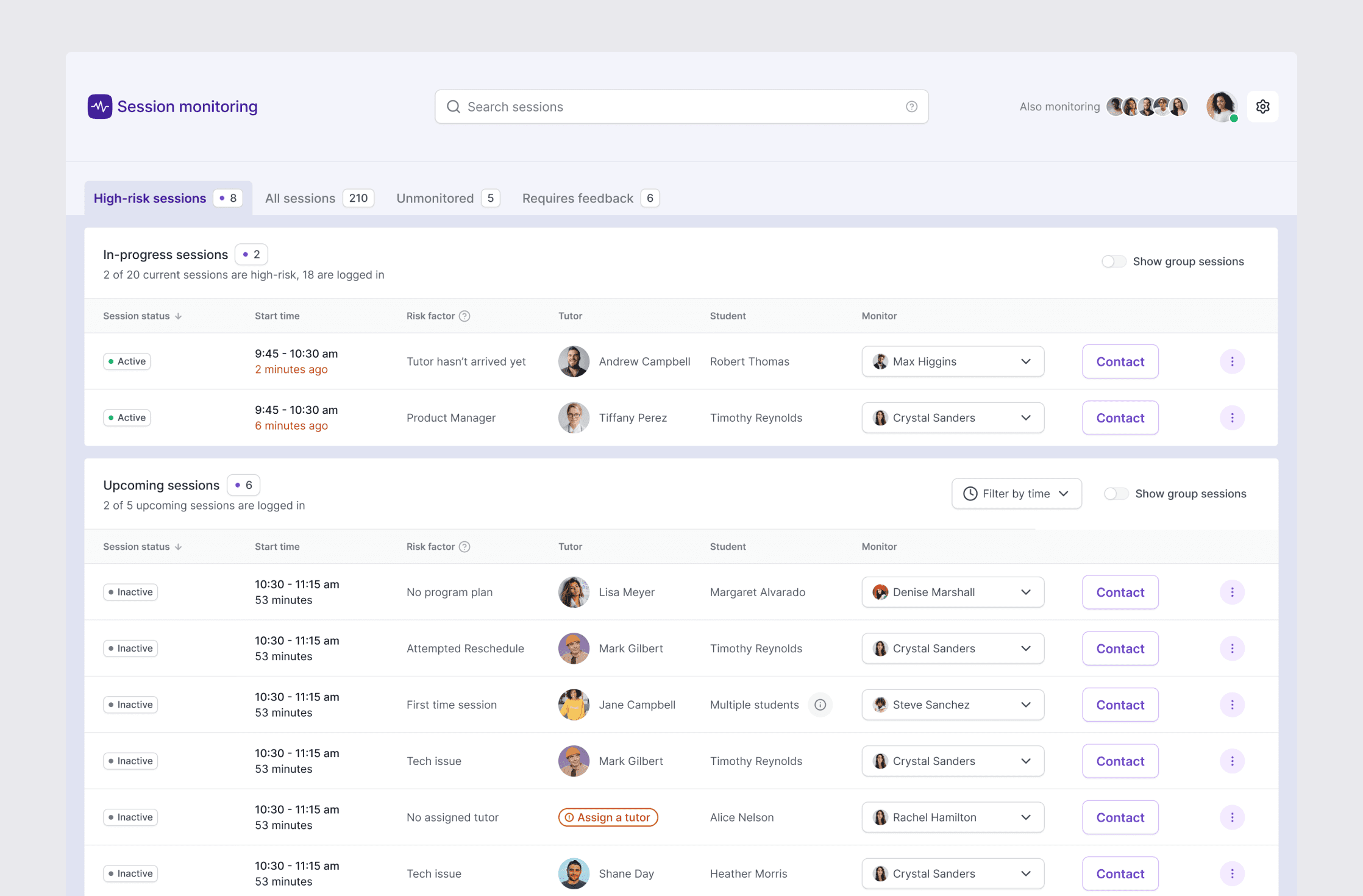
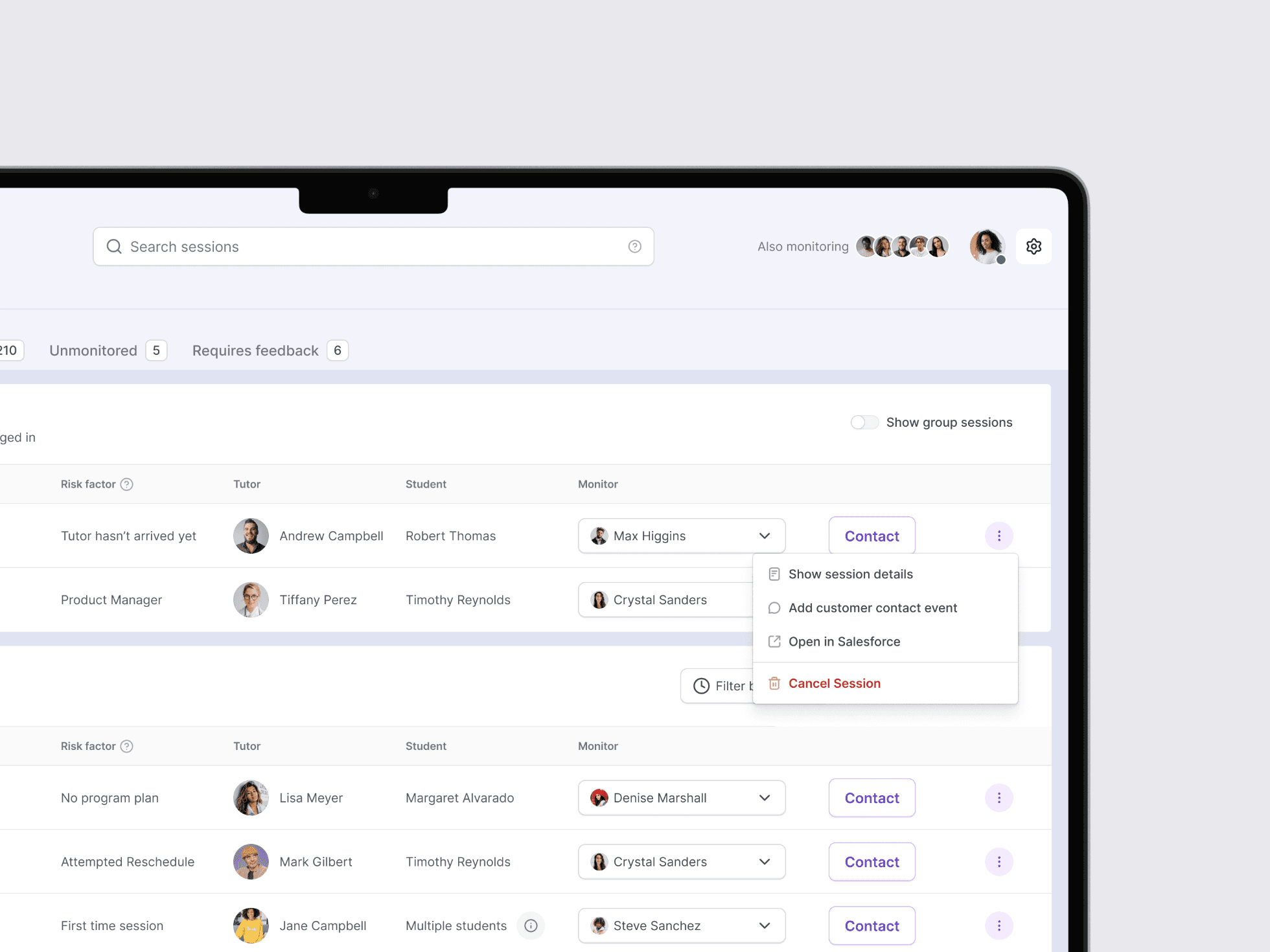
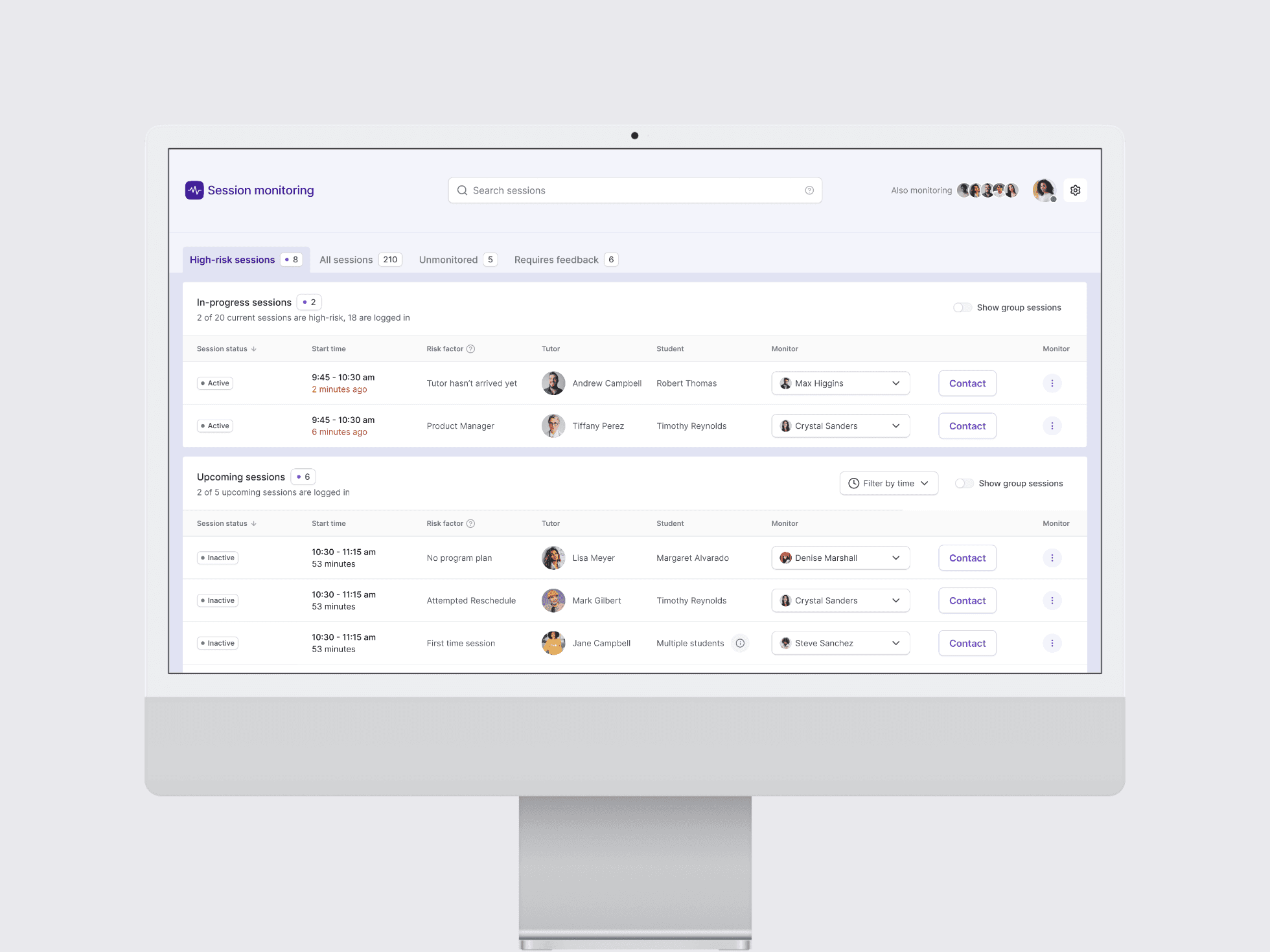
The Session Monitoring Platform is an internal tool that helps Cluey’s customer care team oversee live tutoring sessions and respond quickly when problems arise. I led its product definition and end-to-end design from discovery through launch, working closely with Customer Care and Engineering.
Problem: The Session Management Team was manually managing an increasing number of tutoring sessions, making it hard to respond quickly when something went wrong, whether it was a missed tutor join, a tech issue, or a student needing urgent help. It was impacting our customer service.
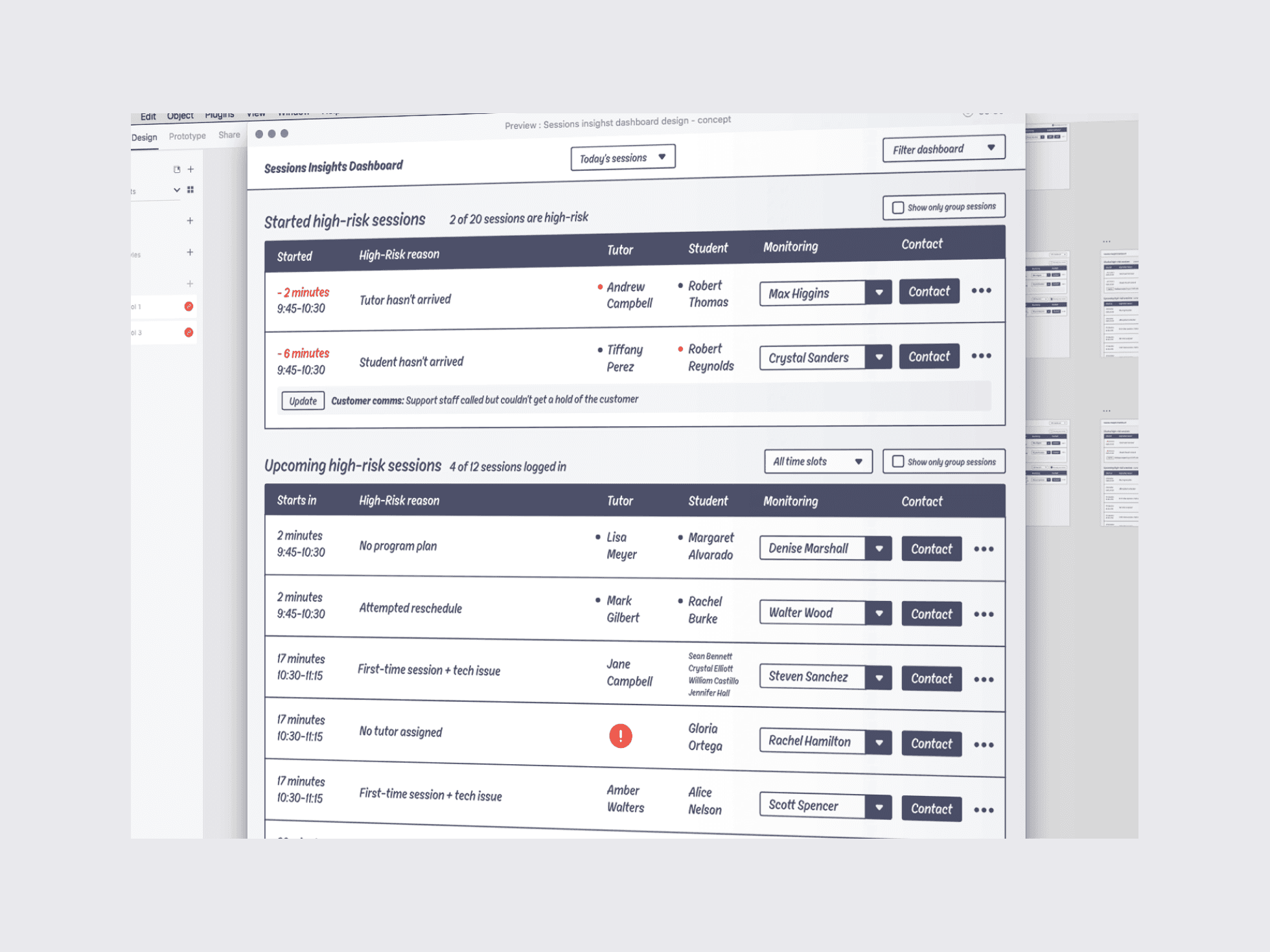
Approach: I worked closely with Customer Care and Engineering to rethink the platform from the ground up. We started with structured discovery and collaborative audits, then moved quickly through rounds of design and prototyping, always focused on what the team actually needed.
Outcome: The result was a purpose-built platform that gave the team better visibility, clarity, and control during live sessions. Urgent issues were easier to spot, histories were easy to check, and the right actions were just a click away. After launch, outbound follow-up calls dropped by 50%, staffing and operational costs went down 5%, and the team became much better at proactively managing high-risk sessions.

2026
UI Goodies
Role: Creator, Product Designer & Builder
Scope: Product strategy, positioning, information architecture, visual identity, content strategy and Framer development
Outcome: Transformed a long-running directory into a distinctive editorial platform with a stronger foundation for growth
Personal Project
Design Resource Directory
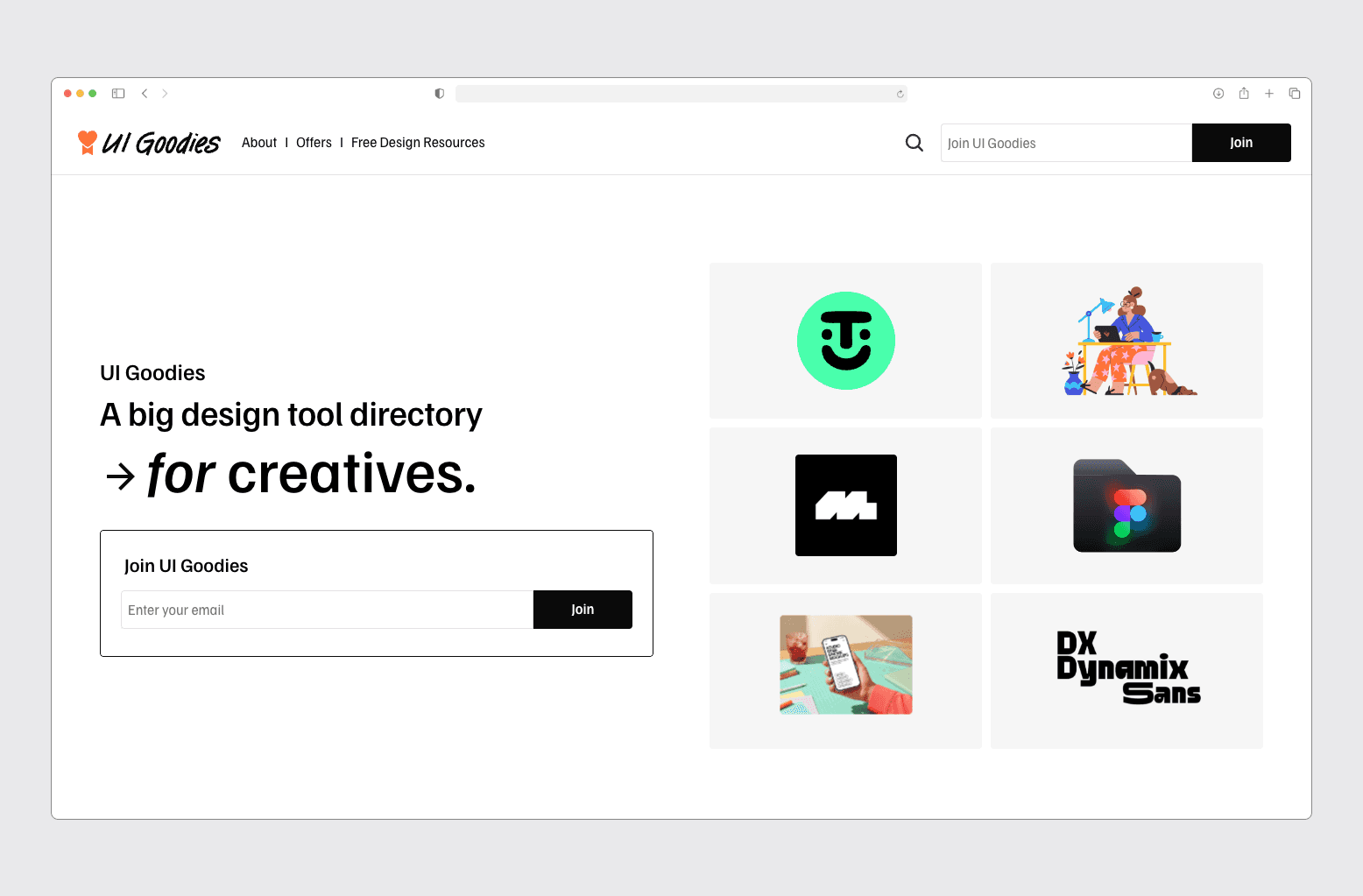
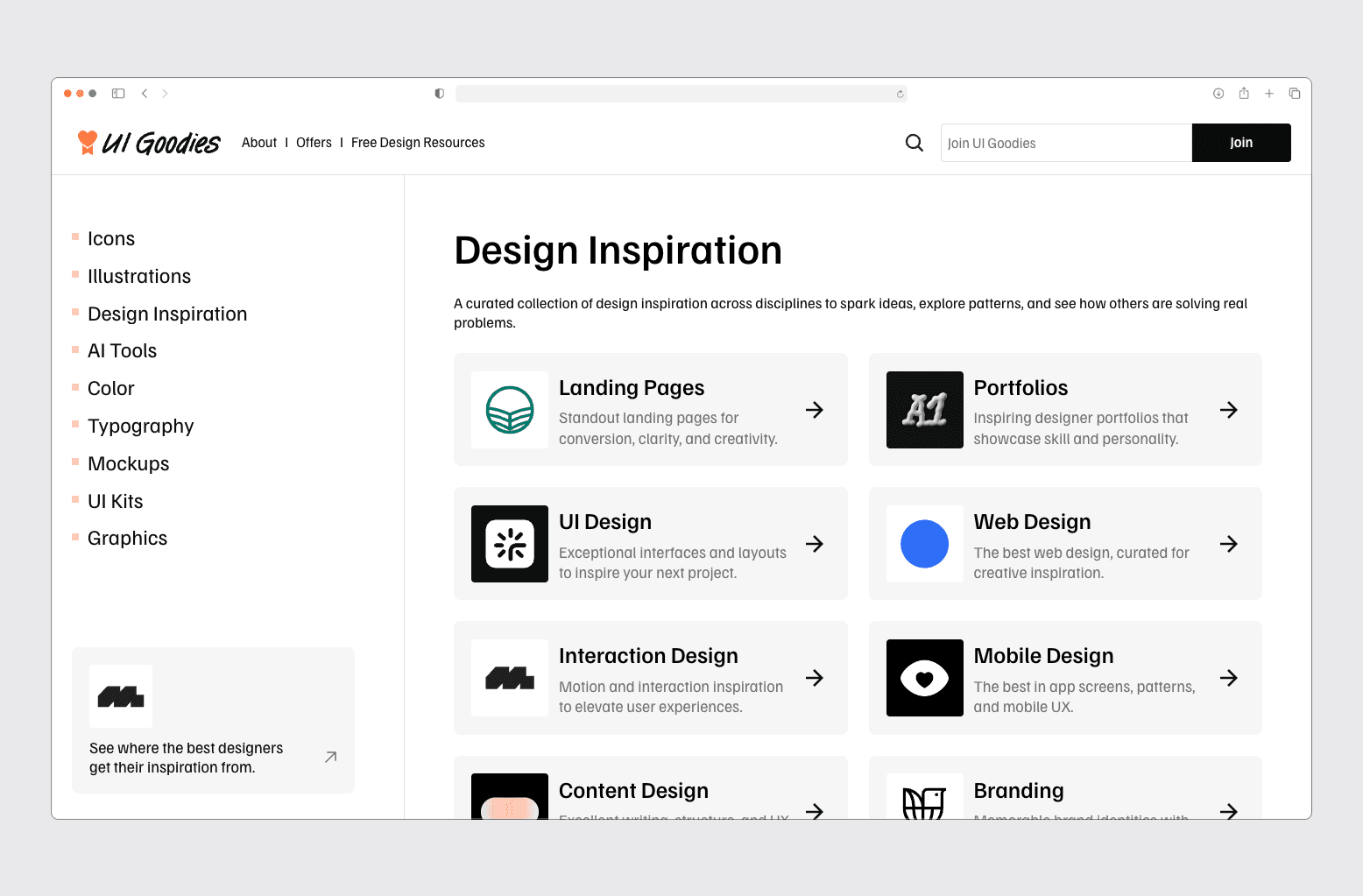
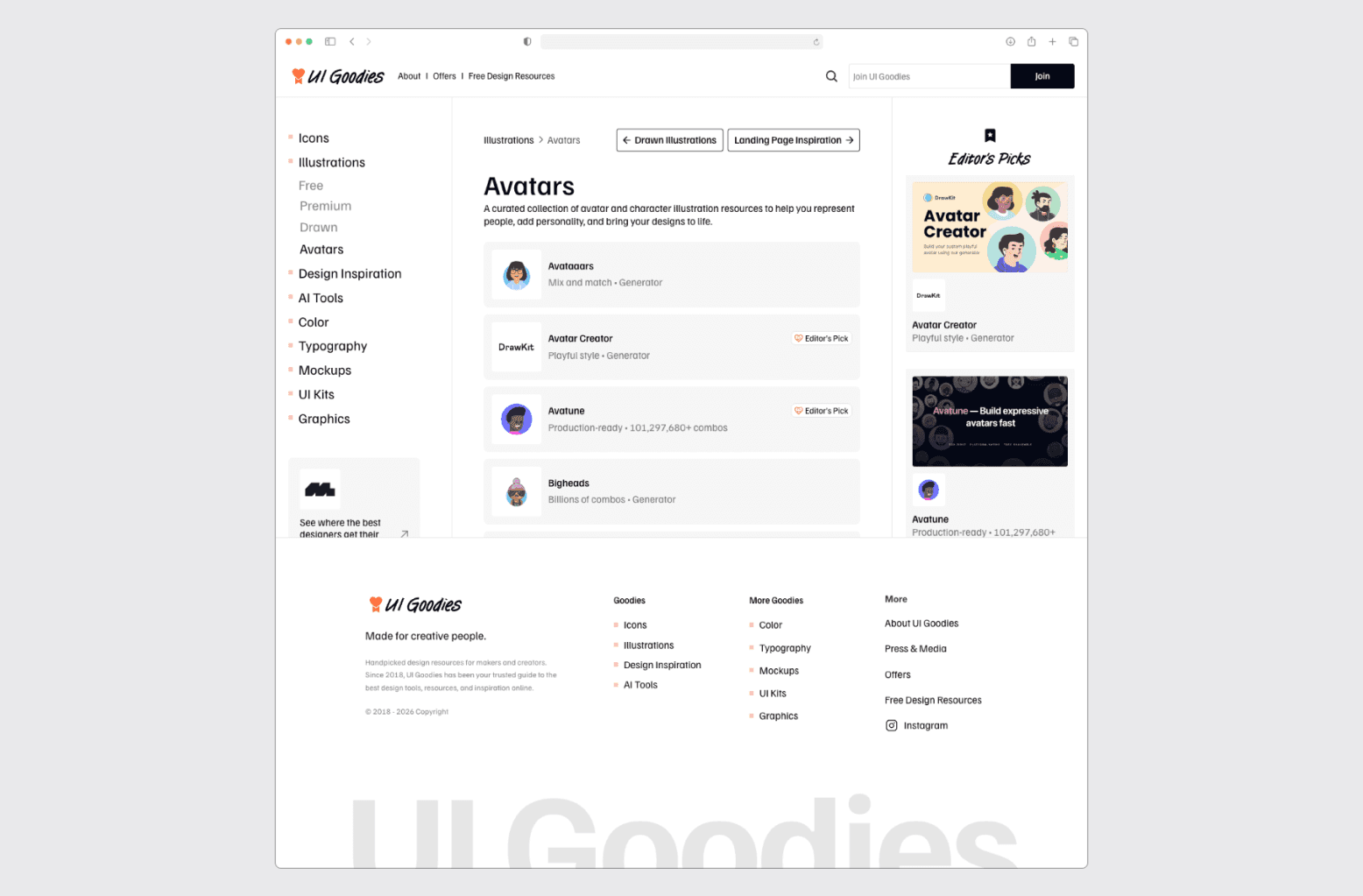
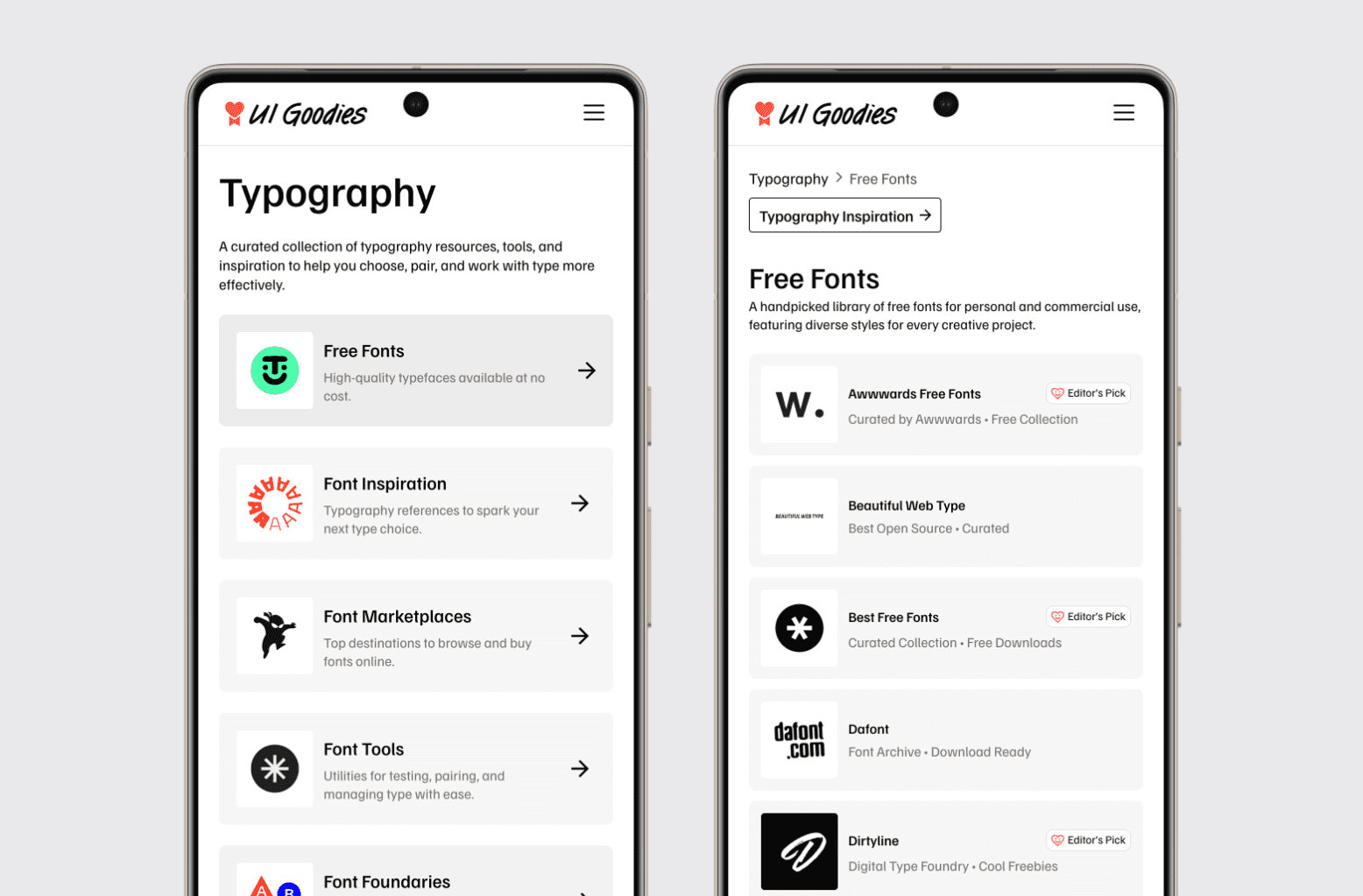
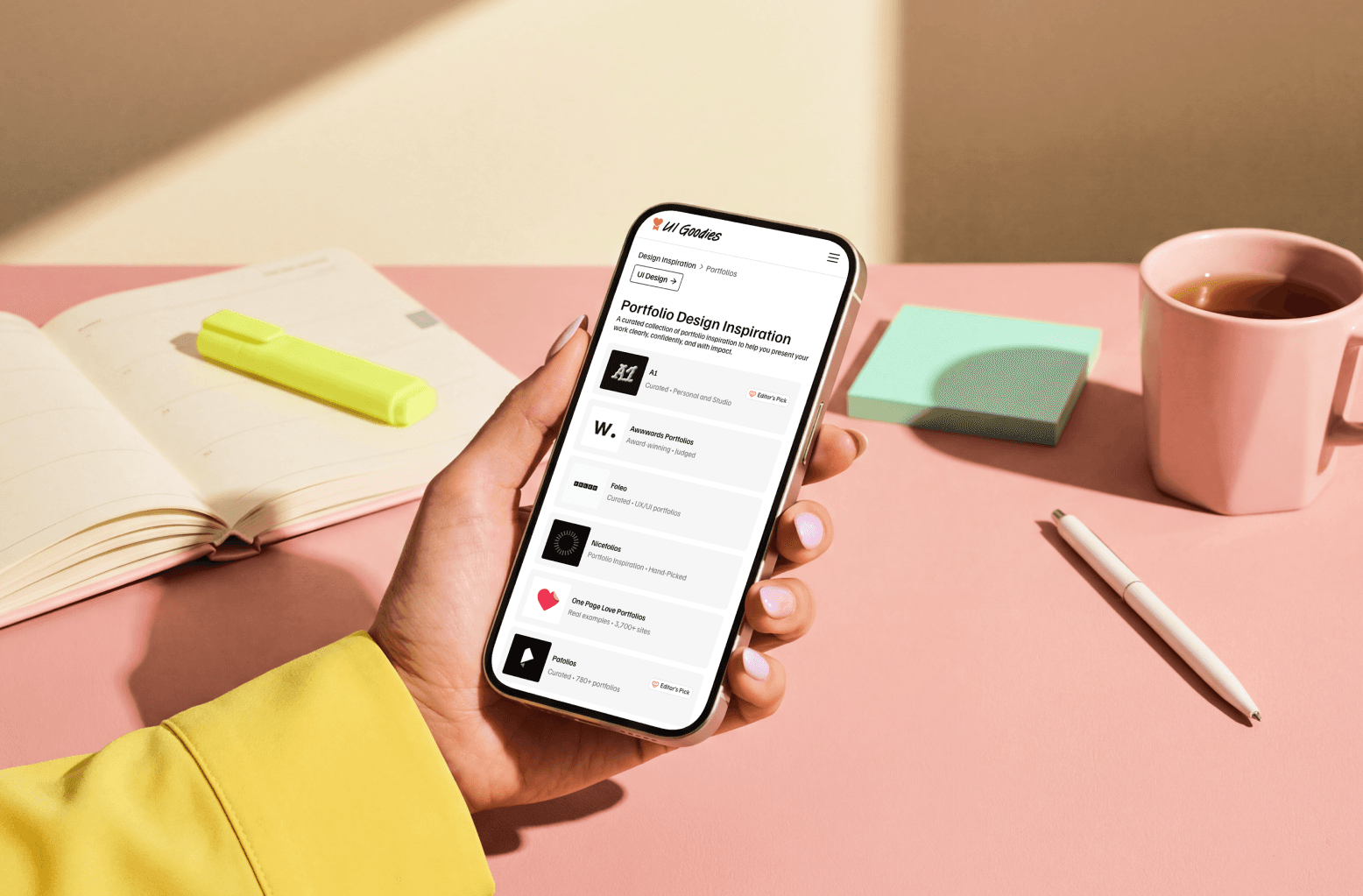
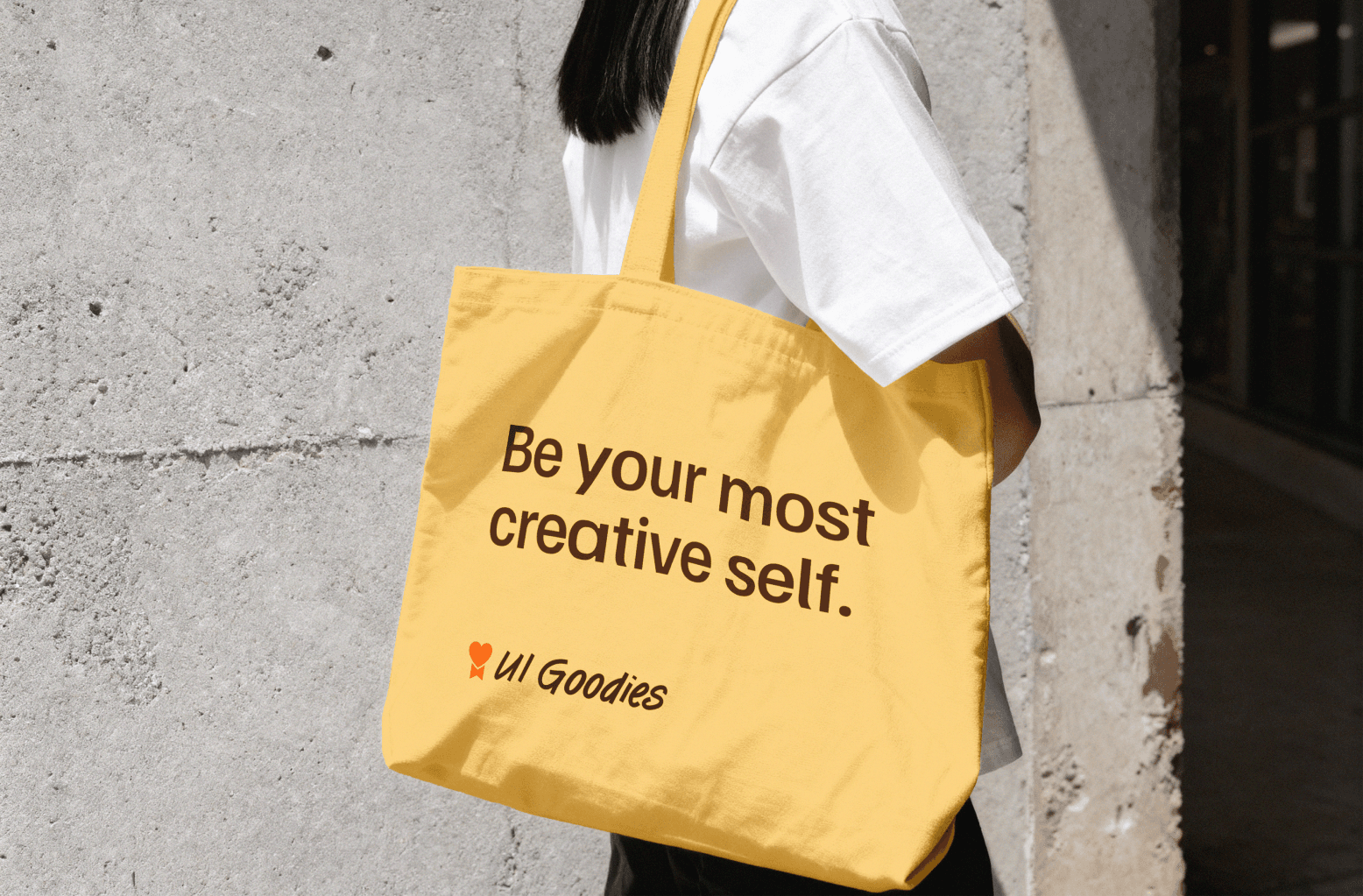
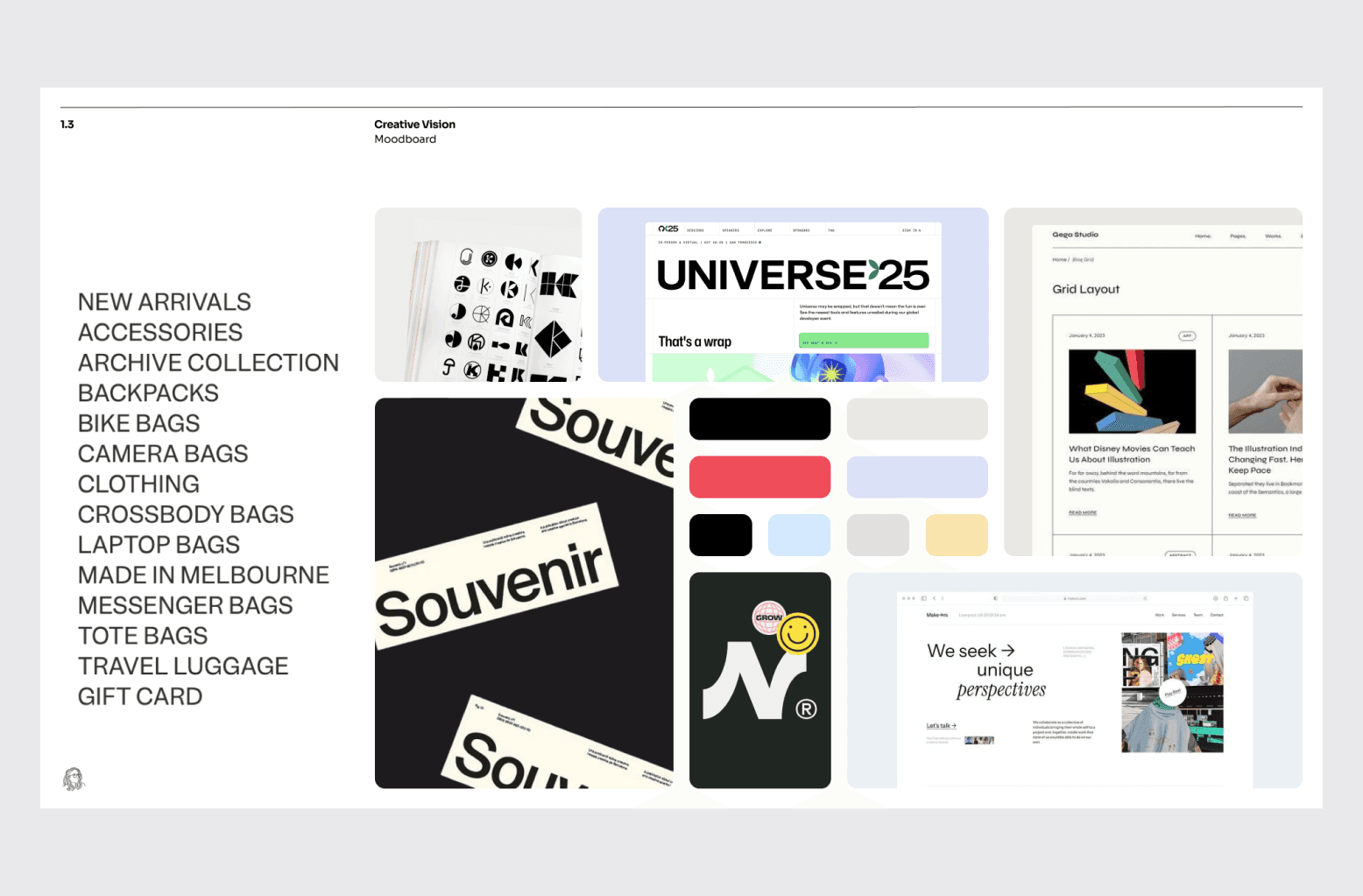
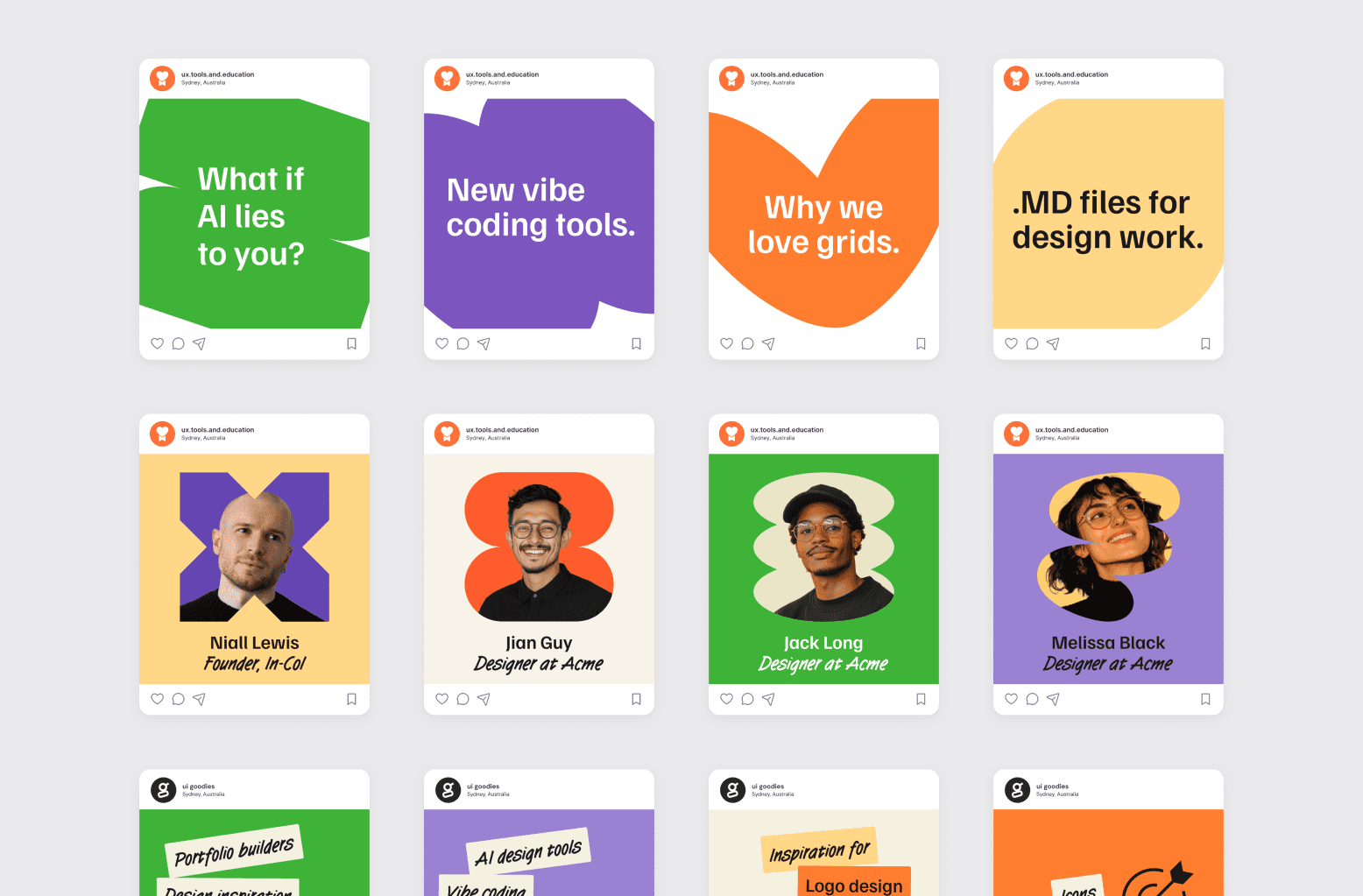
UI Goodies is a curated platform that helps designers discover high-quality tools, resources and inspiration. I’ve run it since 2018 and recently led its repositioning, brand and experience redesign, and end-to-end build in Framer.
Problem. Most design resource directories focus on quantity and scale rather than quality, resulting in crowded lists with little curation or personality. I wanted to reinvent UI Goodies to create something more intentional: a platform that’s inspiring to browse, genuinely useful, and reflects a strong point of view on craft and creativity.
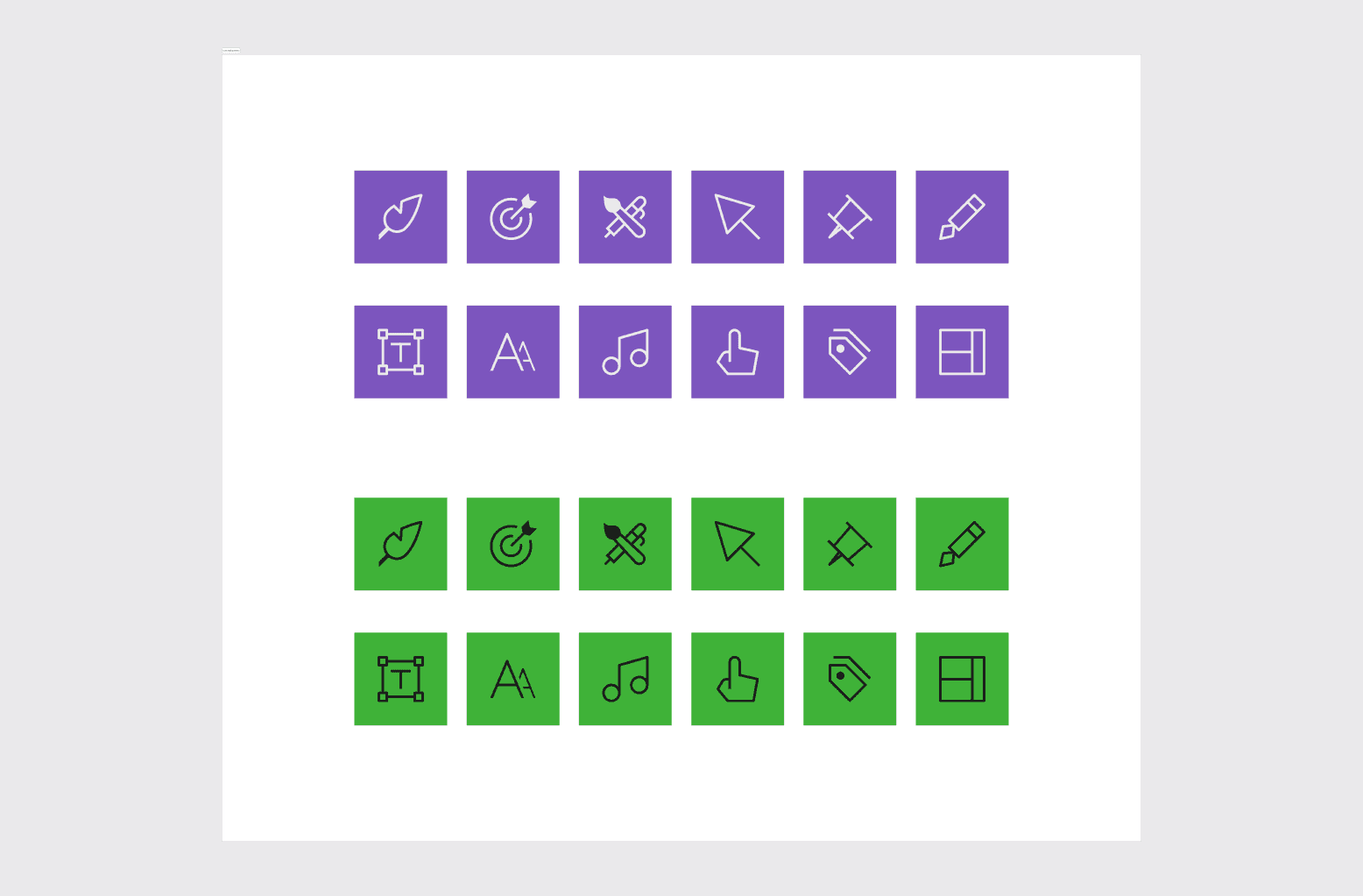
Approach. I reimagined both the brand and user experience, redesigning the information architecture, visual system, and discovery flow. I focused on thoughtful curation, structure, and atmosphere, using layout, typography, and pacing to make discovery engaging. I also refined the platform’s positioning, content strategy, and SEO to support long-term growth.
Outcome. The redesign transformed UI Goodies from a basic directory into a distinctive, immersive product with a clear editorial voice. The new experience encourages exploration, highlights craft, and gives the platform a unique identity in the design community, while setting it up for future growth and expansion.
2026
Tooling
Role: Product Designer & Builder
Scope: Zero-to-one internal tool; product definition, prototyping, interface design, Airtable integration, and development
Outcome: Replaced fragmented spreadsheets, browser tabs, and notes with a focused visual outreach pipeline
AI-Assisted Building
Outreach Dashboard
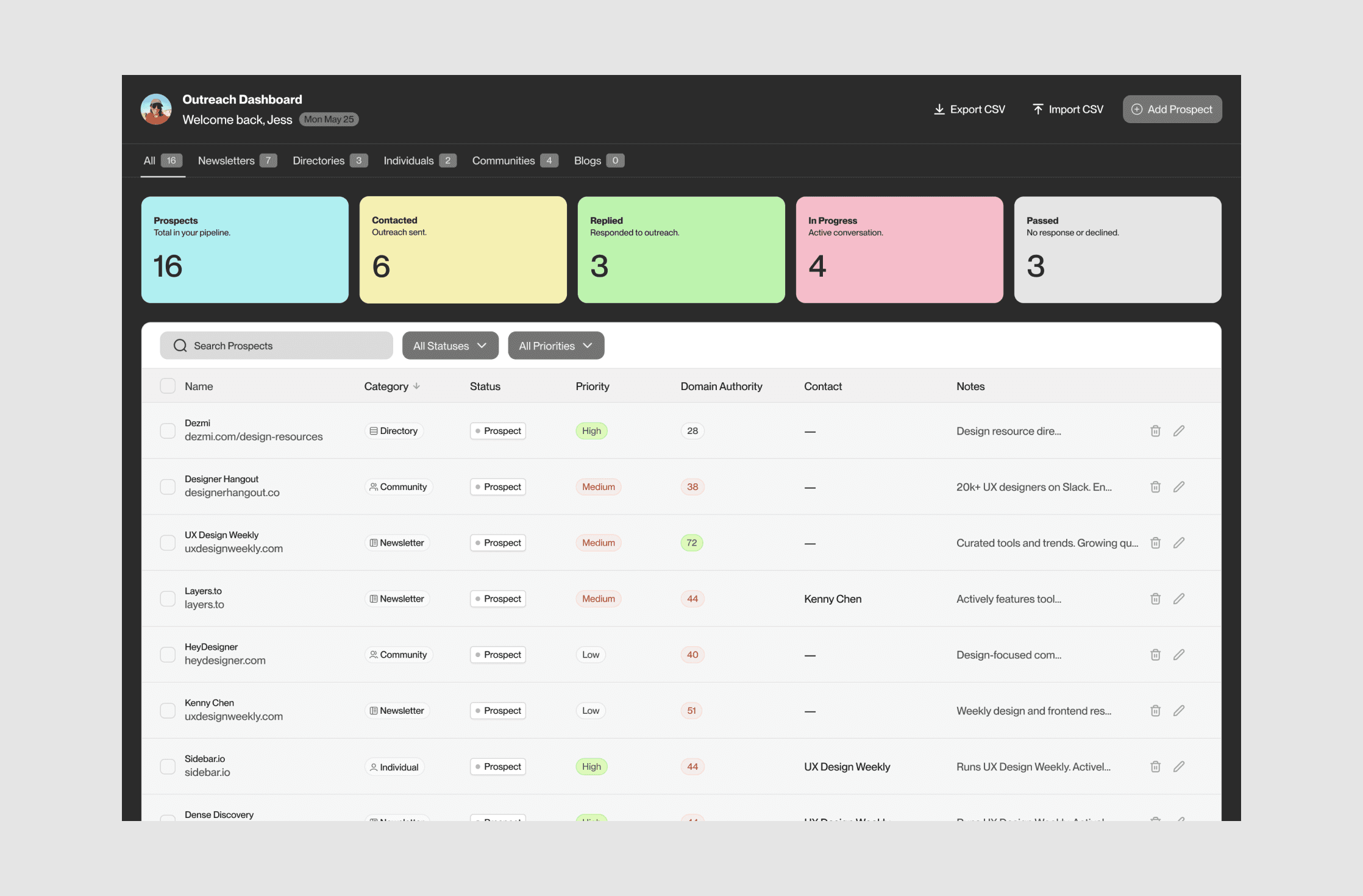
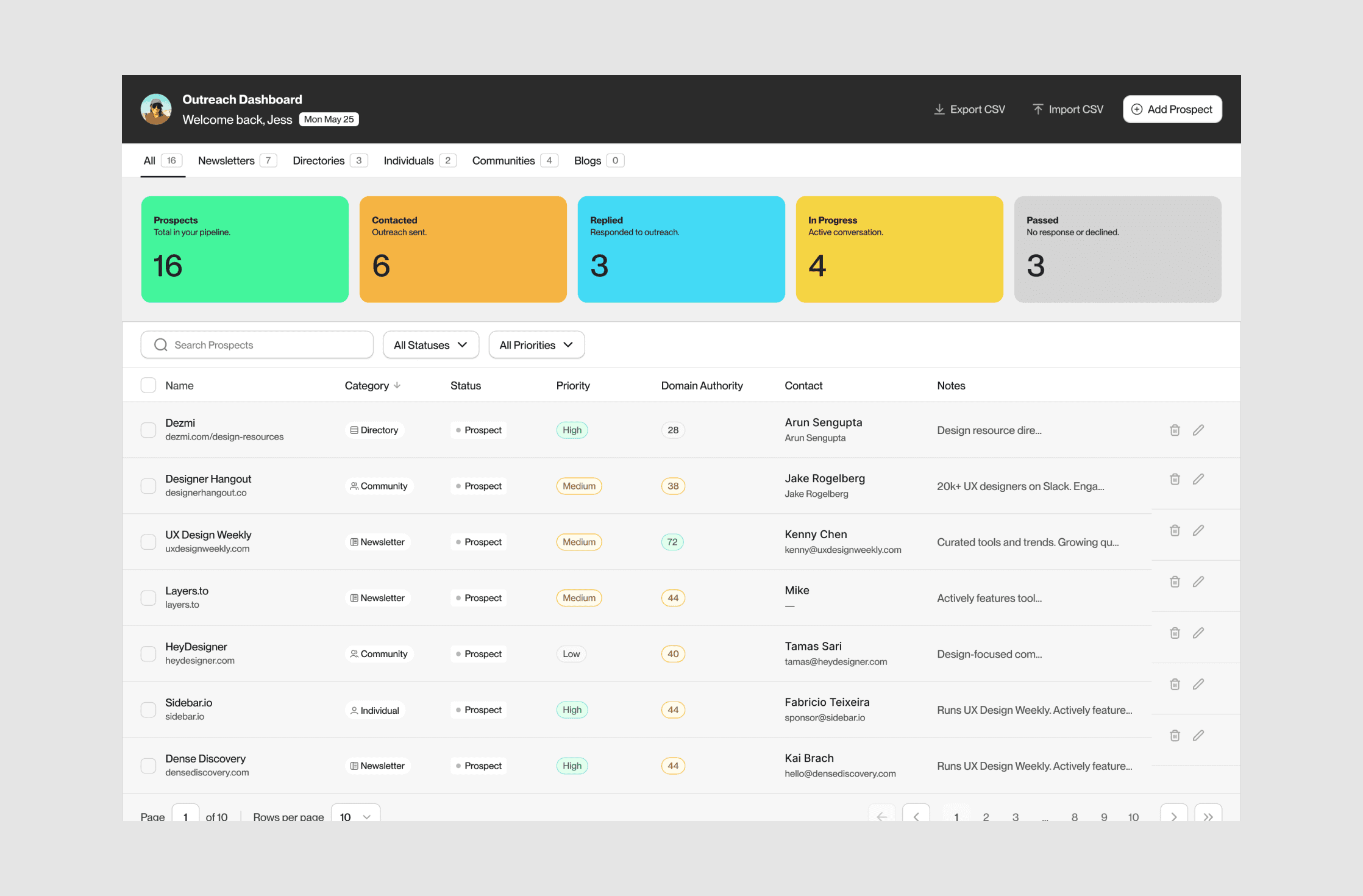
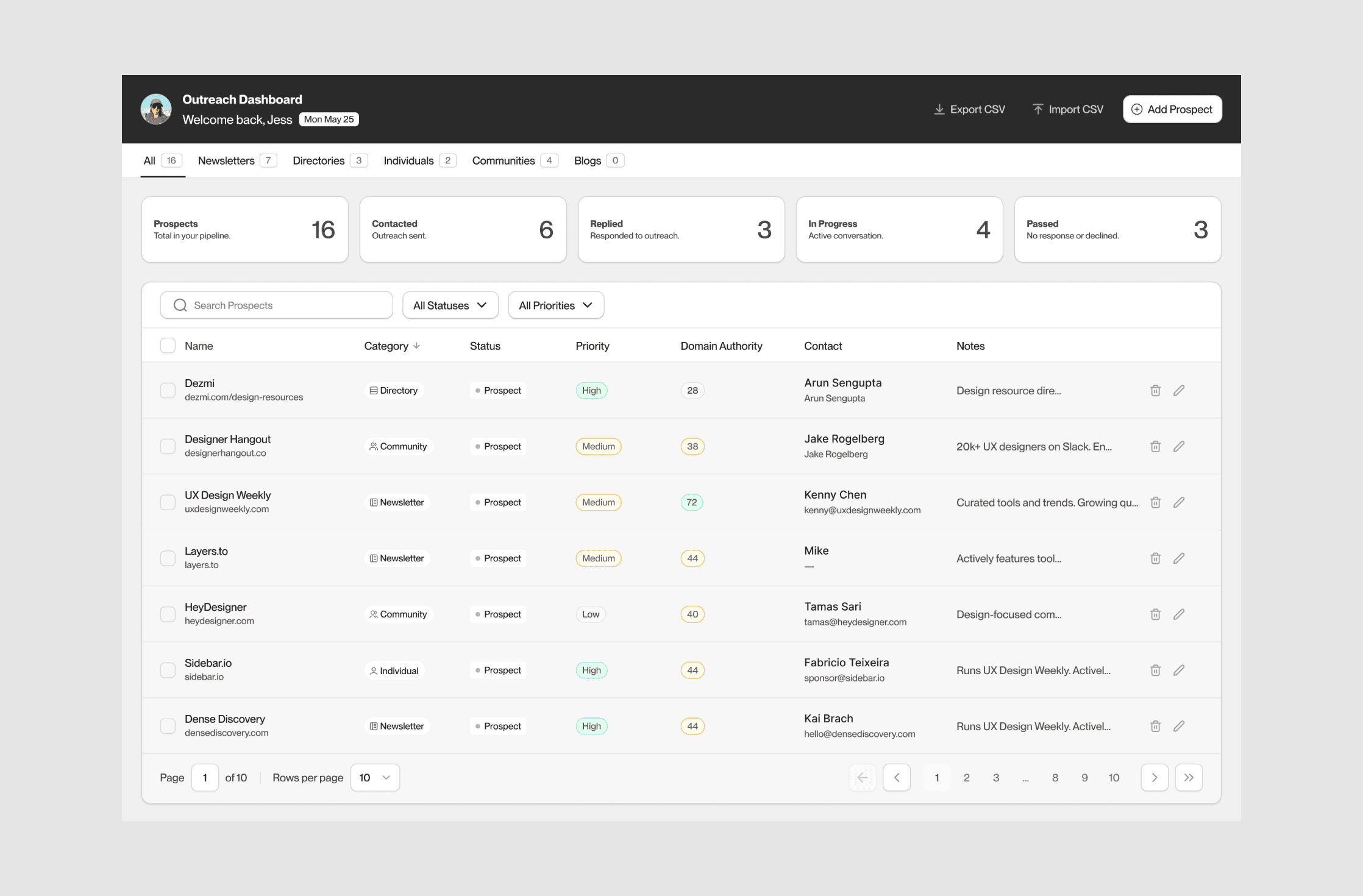
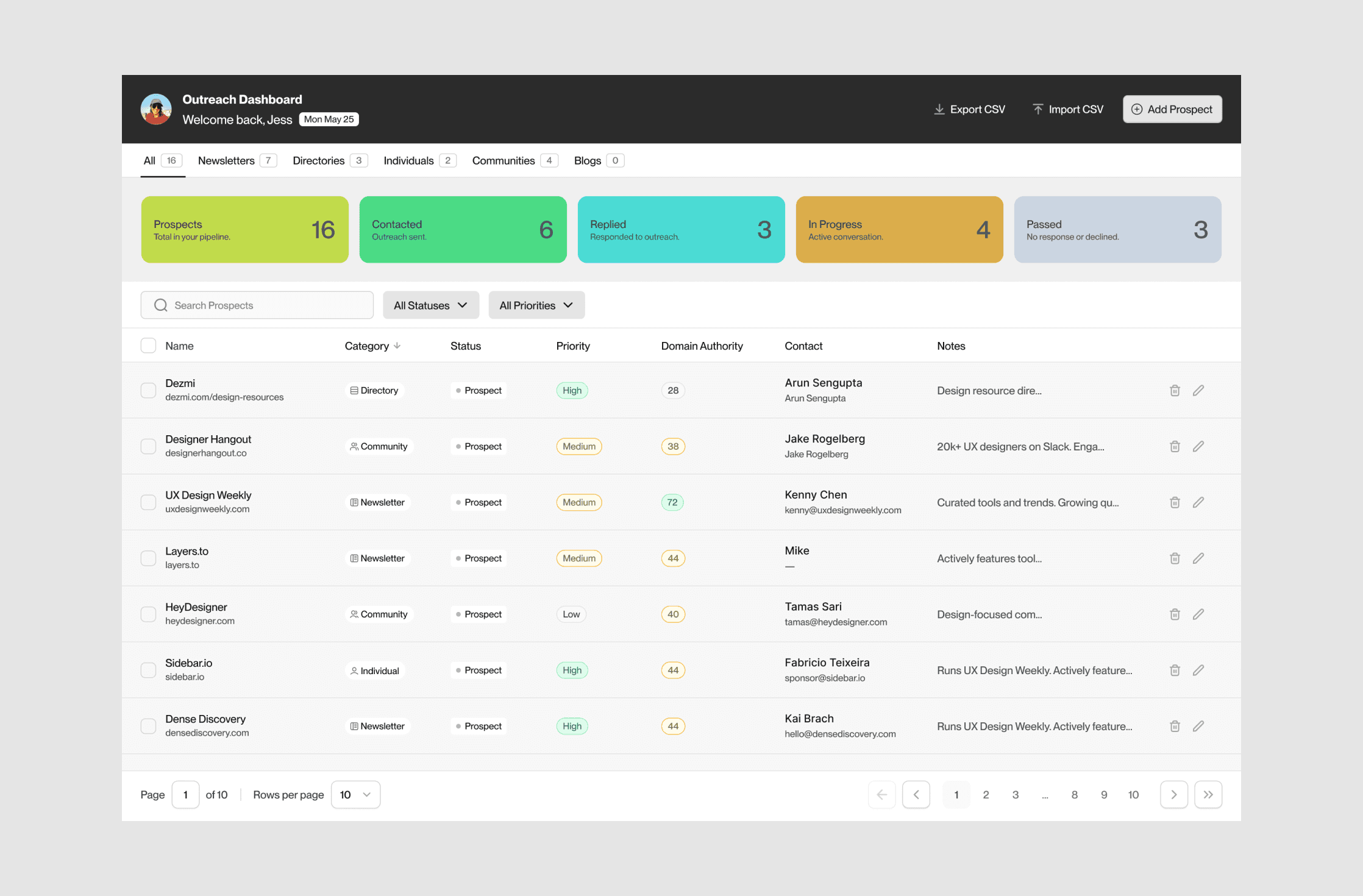
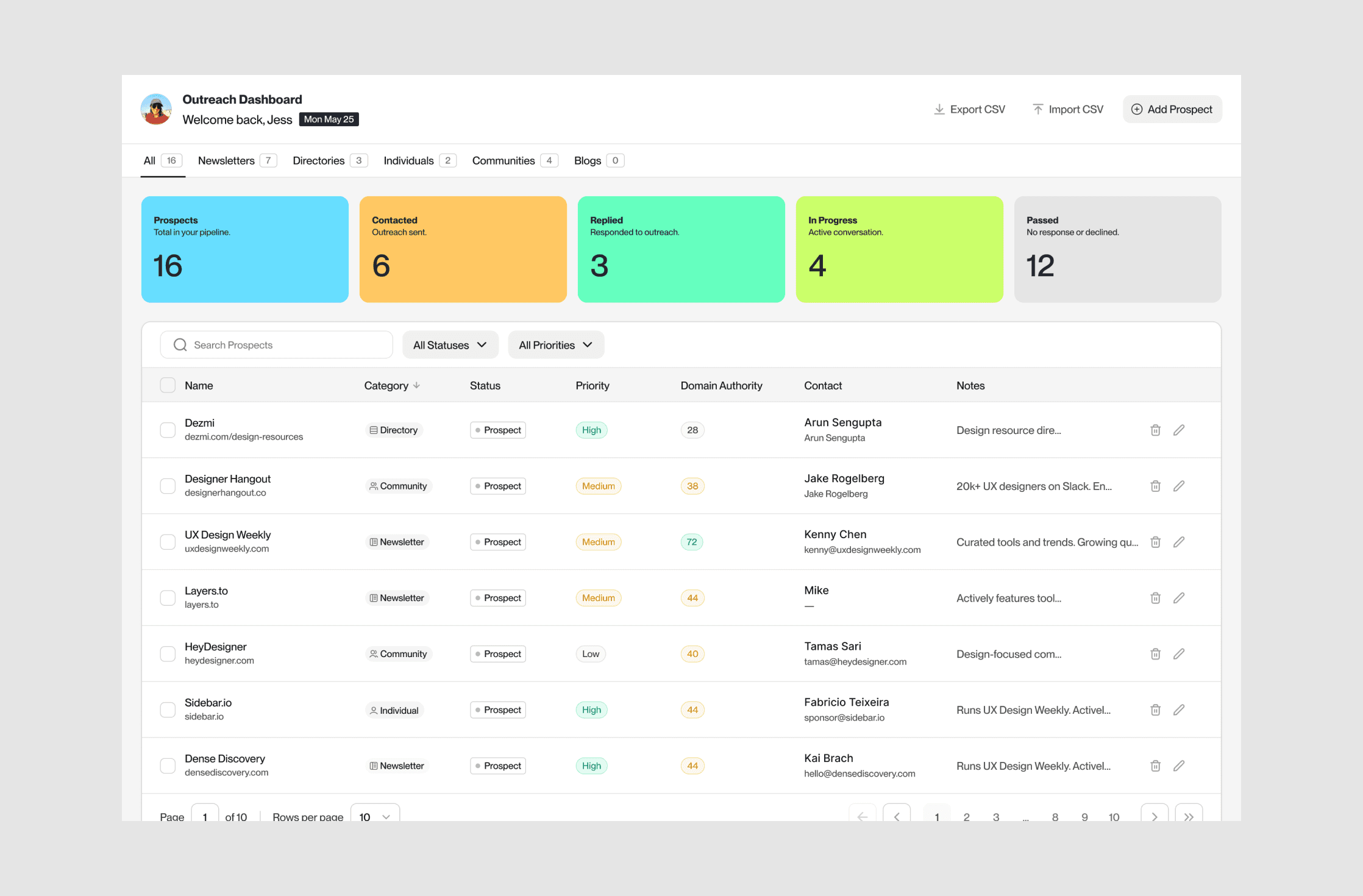
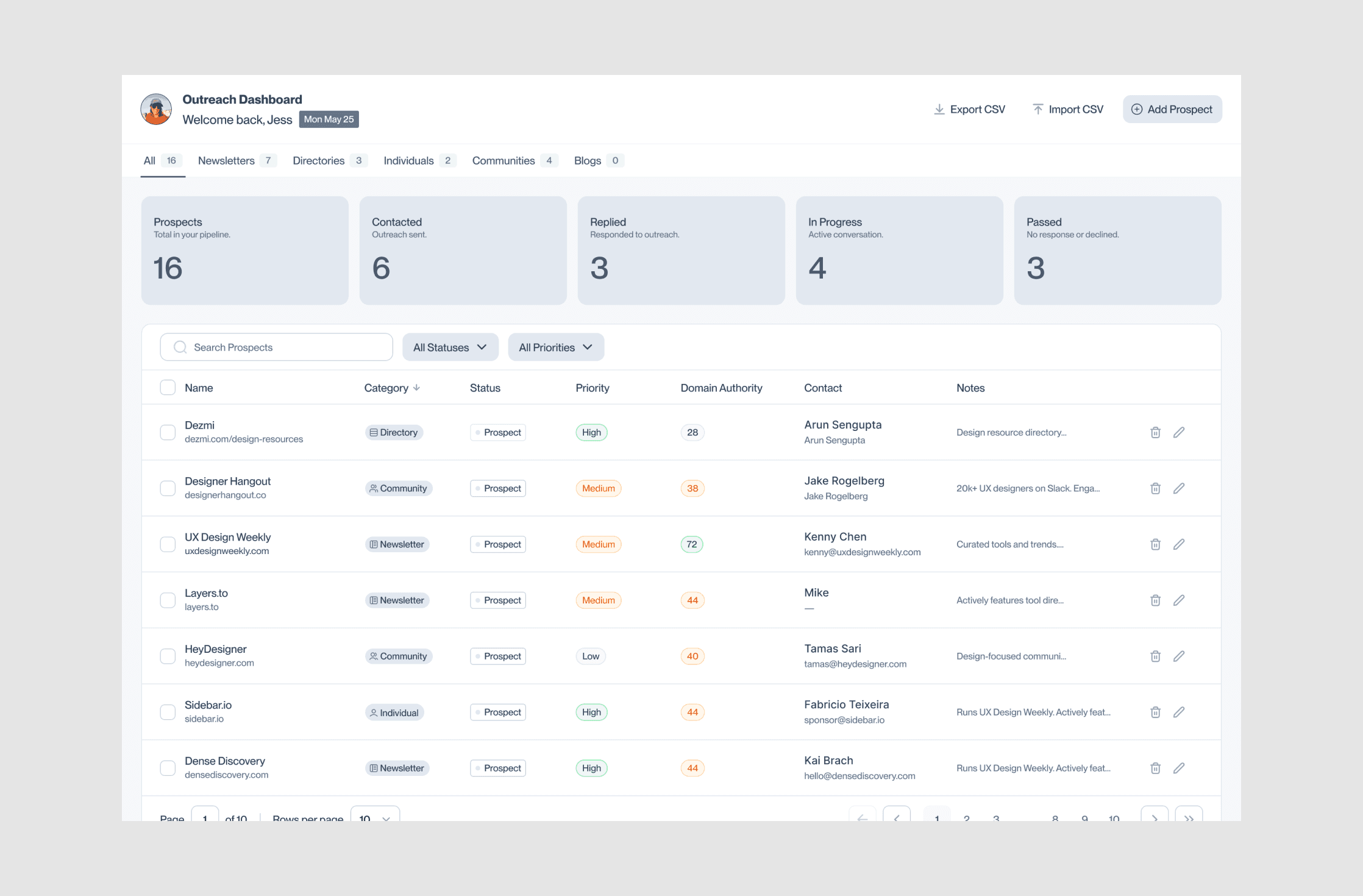
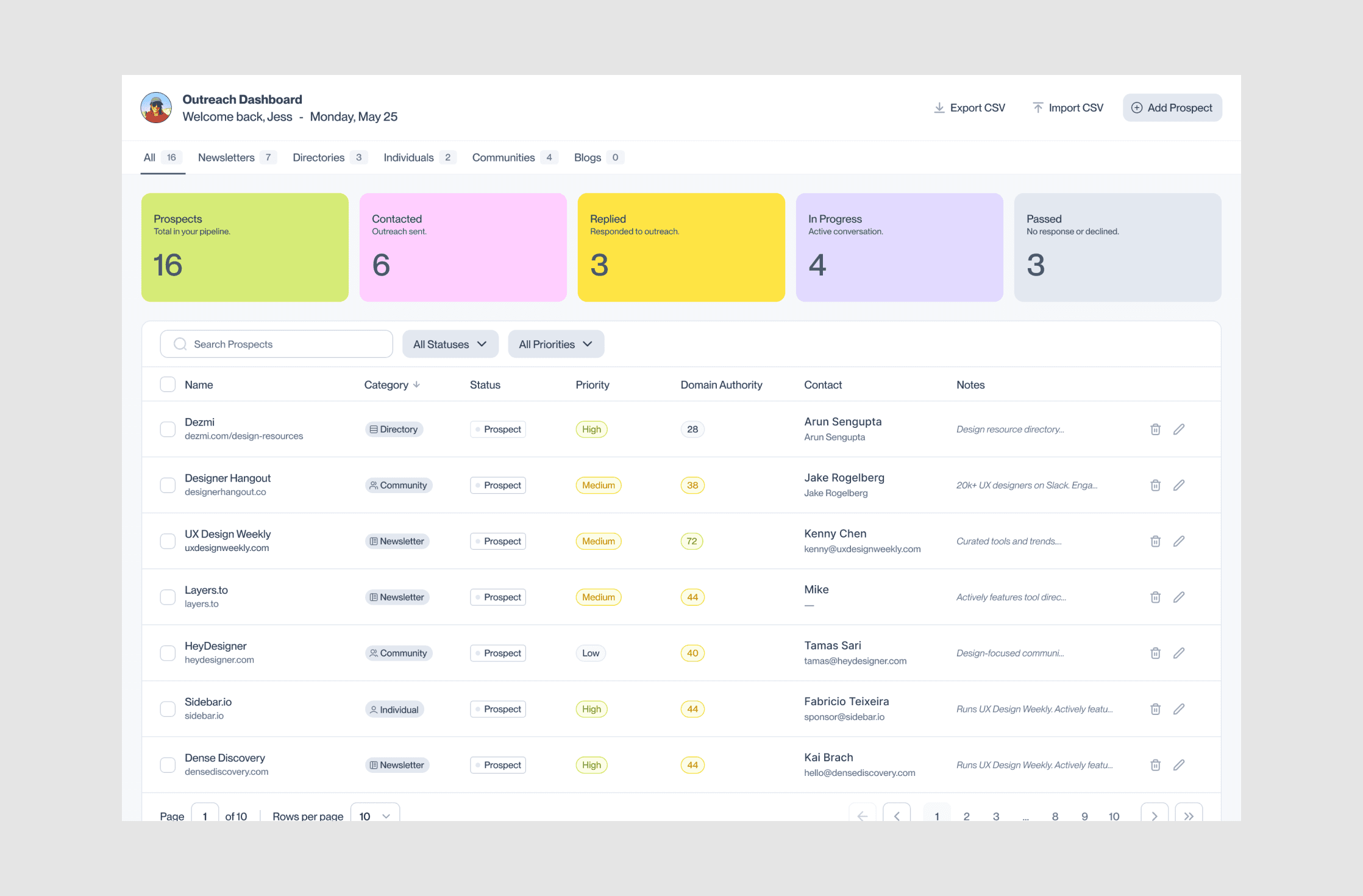
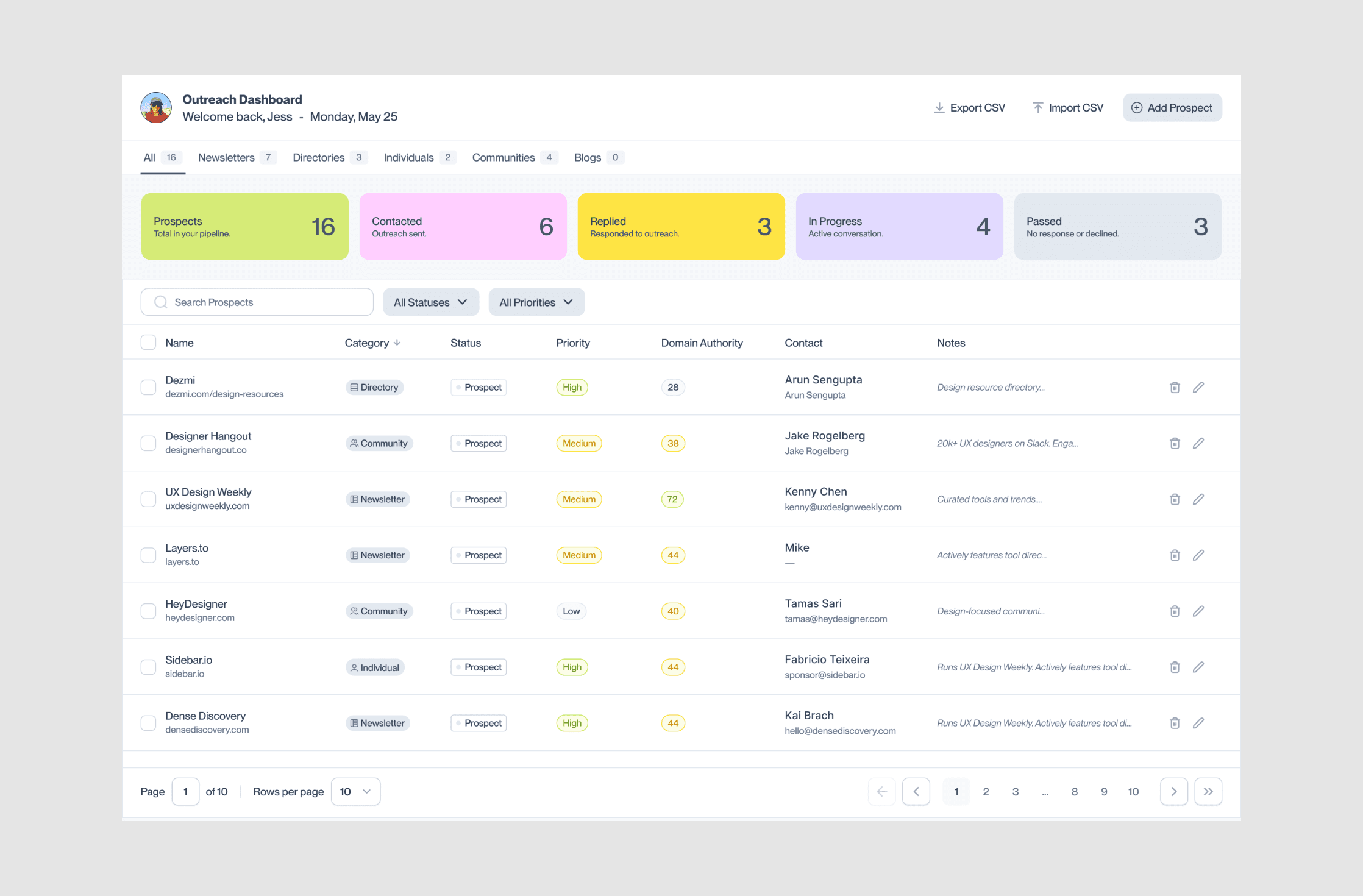
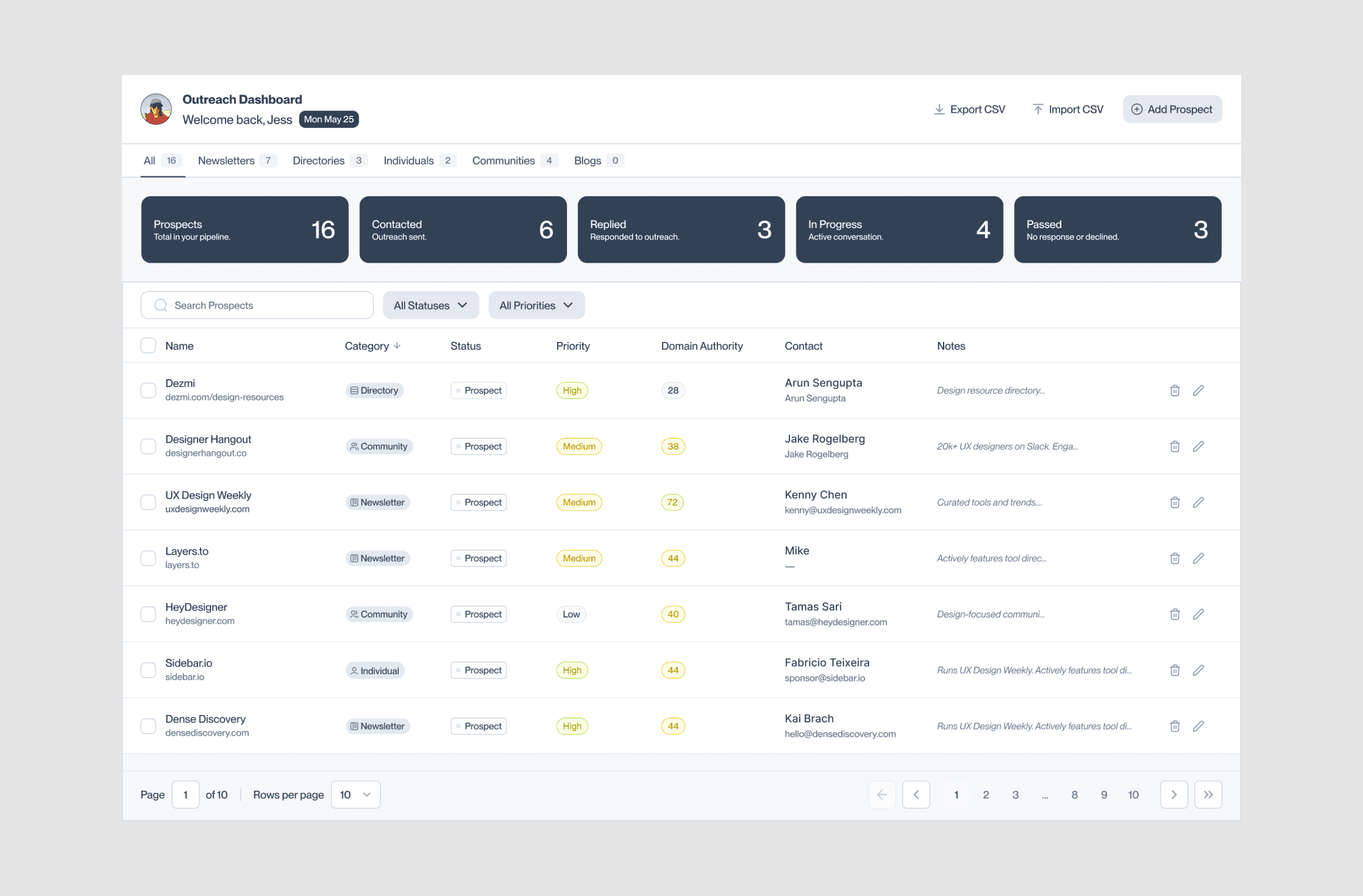
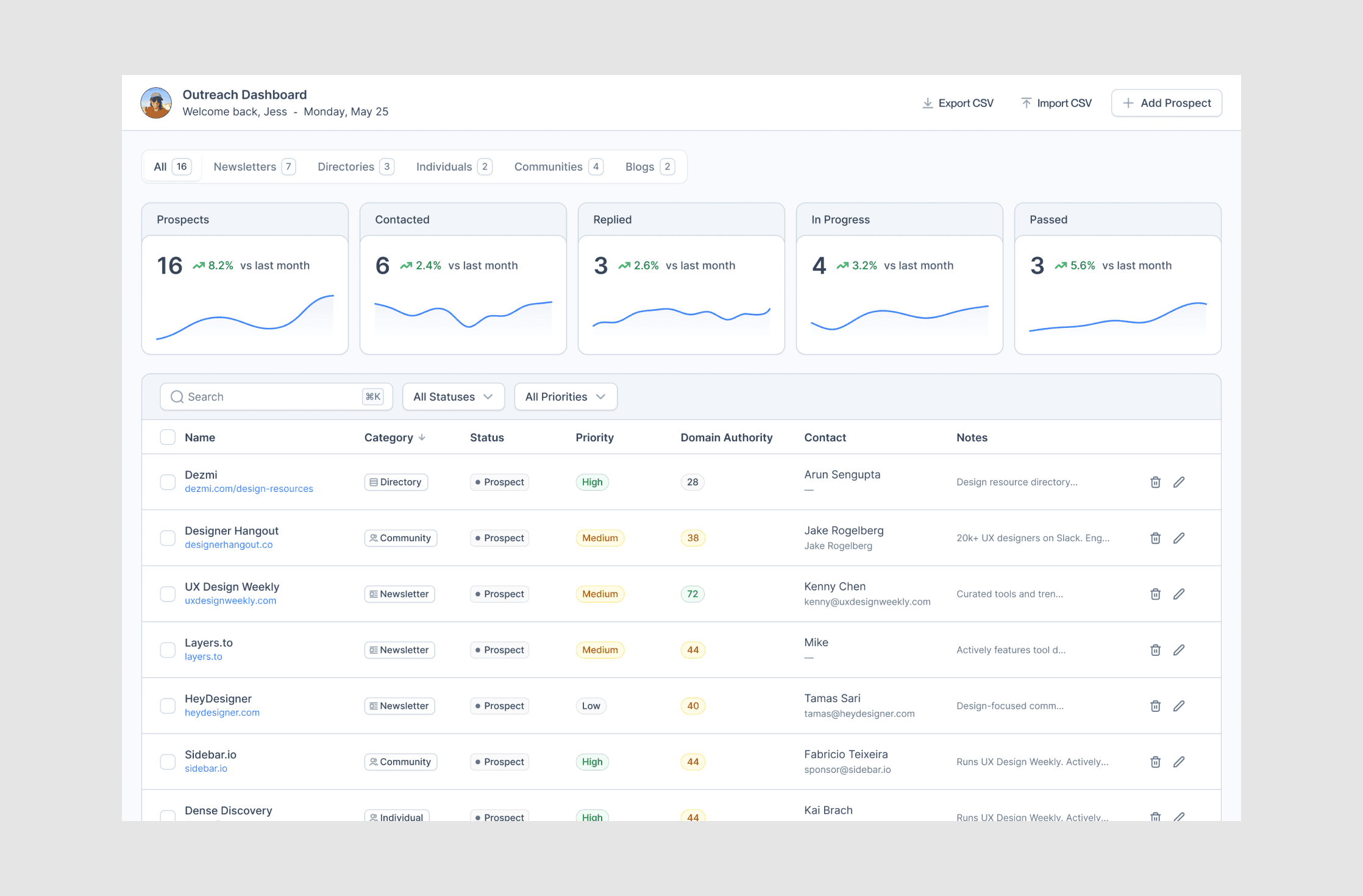
Outreach Dashboard is a lightweight internal tool for managing link-building outreach for UI Goodies through a visual pipeline. I defined, designed and built it using Claude Code, connecting it to Airtable and shaping the workflow around how I manage prospects and follow-up.
Problem. Doing outreach for UI Goodies meant juggling spreadsheets, browser tabs, and half-organized notes. Nothing showed me the pipeline at a glance, and existing CRMs were either too heavy or built for sales teams rather than content outreach. I wanted something simple, visual, and shaped around how I actually work.
Approach. I started with a functional prototype that connected to Airtable to persist real data in the browser. Once the core loop worked, I explored several visual directions (shown here), then selected and developed one into the final product.
Outcome. A practical tool I use for my own outreach, this project brings together several practices I enjoy: vibe coding with AI, product thinking, and visual exploration. Though intentionally limited in scope, I followed a clear workflow, proof of concept, design, and then full development.
2026
Traction
Role: Product Strategy & Design Consultant
Scope: Founder partnership spanning positioning, audience definition, messaging, content strategy and website design
Outcome: Established a differentiated market position and launched a new go-to-market experience in 18 part-time working days
Startup
Website & Product Positioning
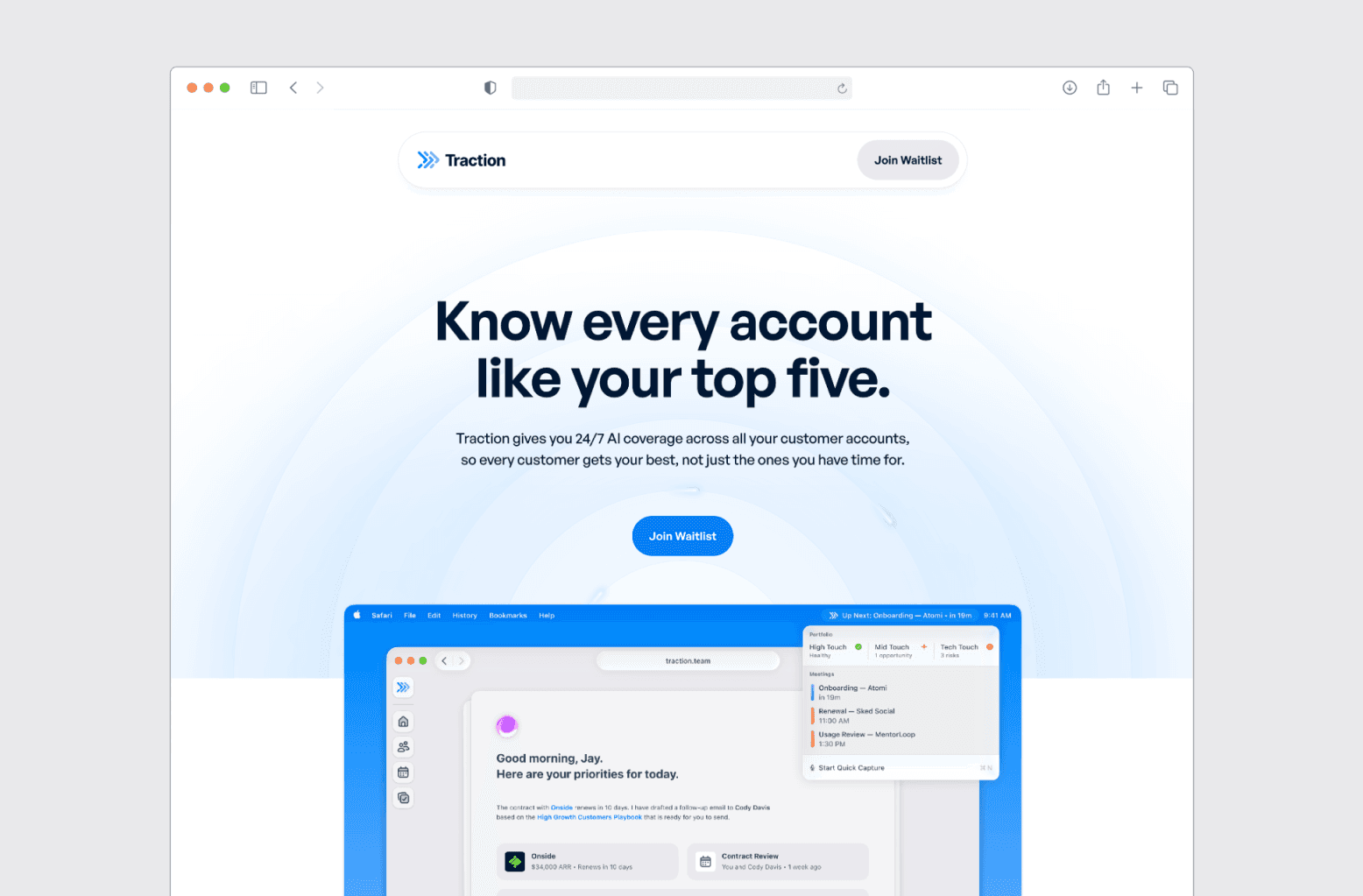
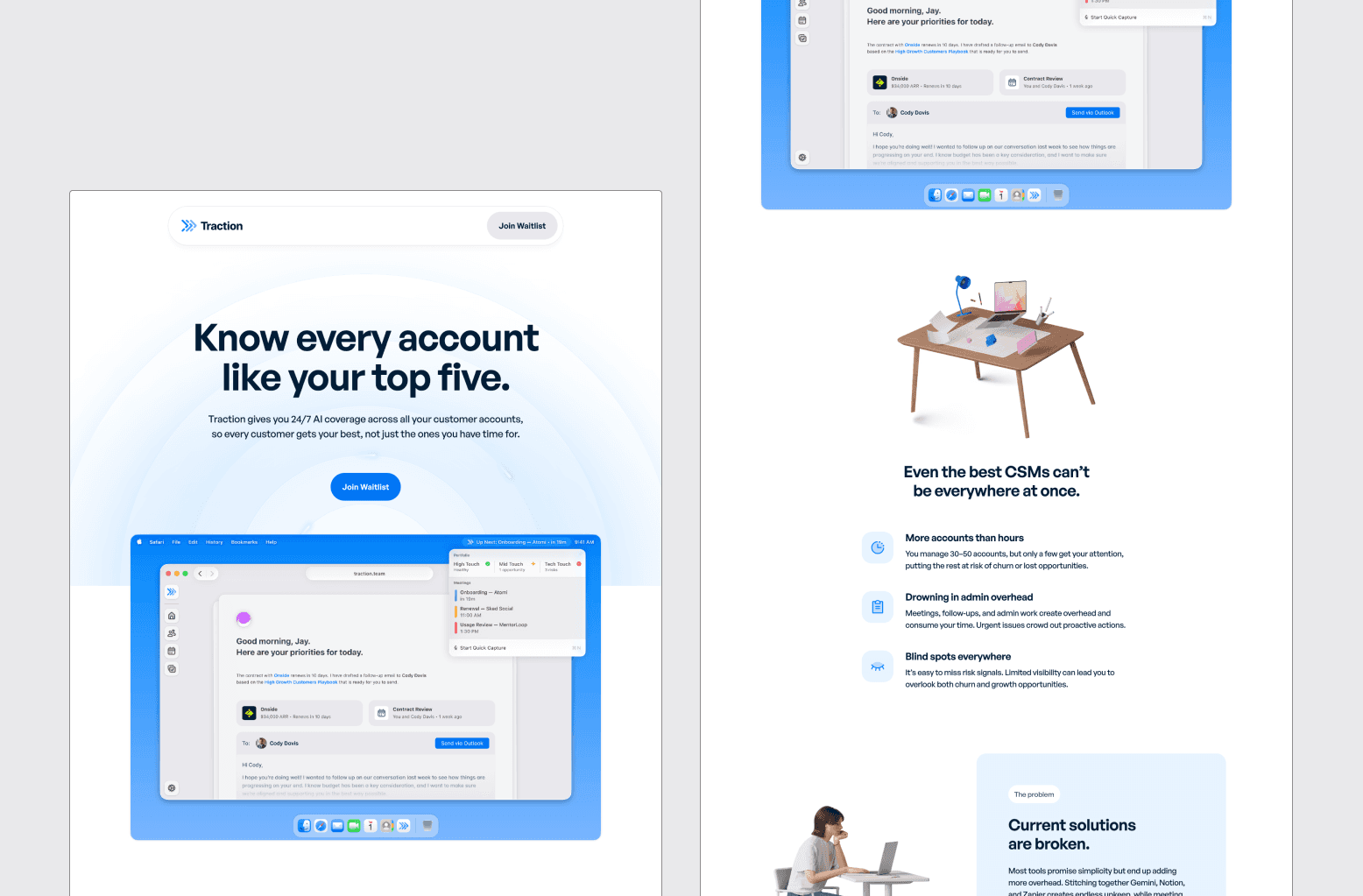
Traction is an account intelligence platform that helps customer success teams identify important signals across their account portfolios. I partnered with the founder to clarify its positioning and target audience, then translated that direction into its brand voice, messaging, launch content and new landing page.
Problem. The product’s value proposition was unclear and lacked a distinctive voice. The team was unsure how to frame messaging, communicate the product’s unique strengths, and engage its intended audience. It was unclear which direction to take the product, specifically whether it should aim wide or niche. Additionally, there was no established marketing, website, or content strategy.
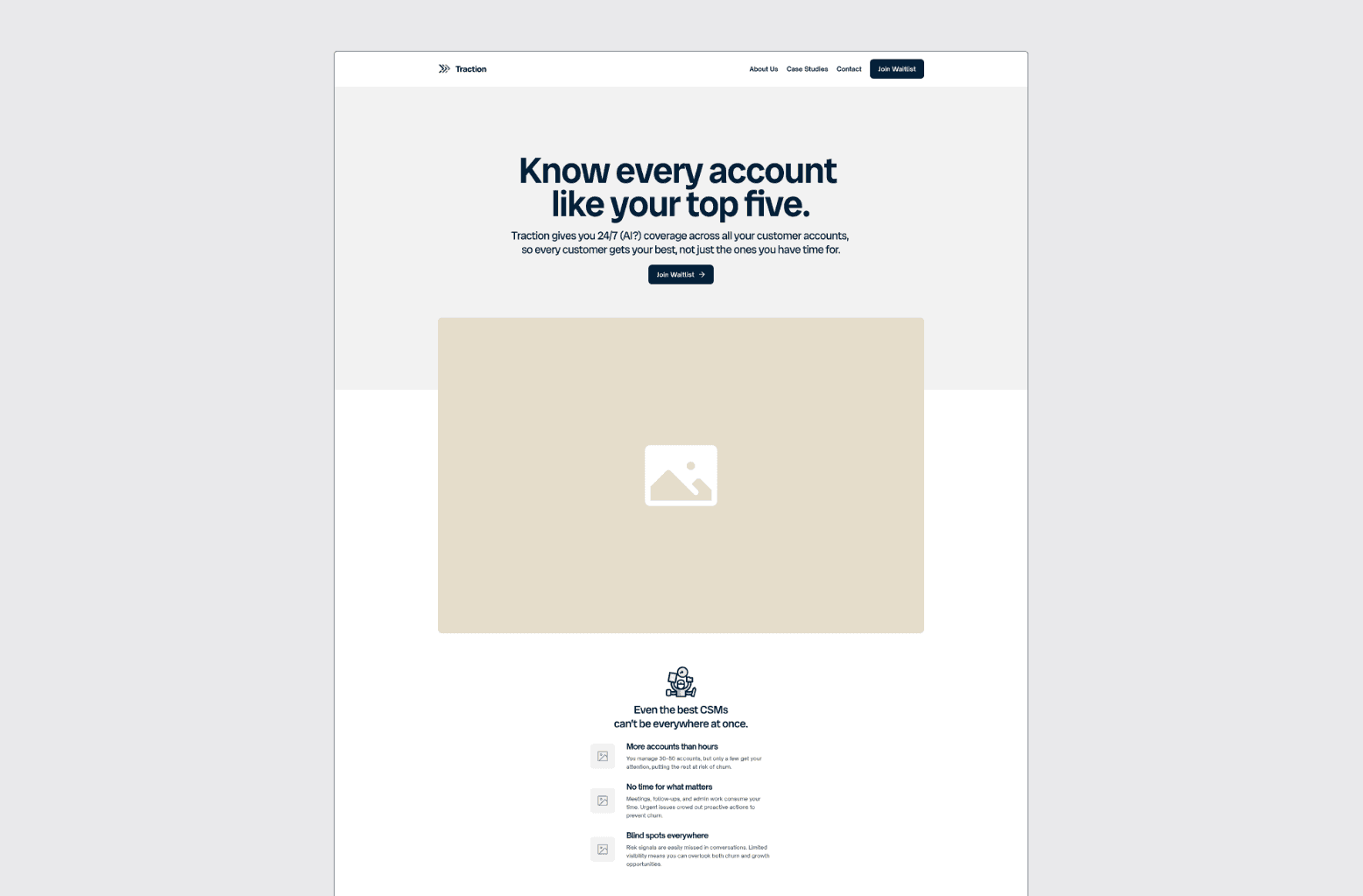
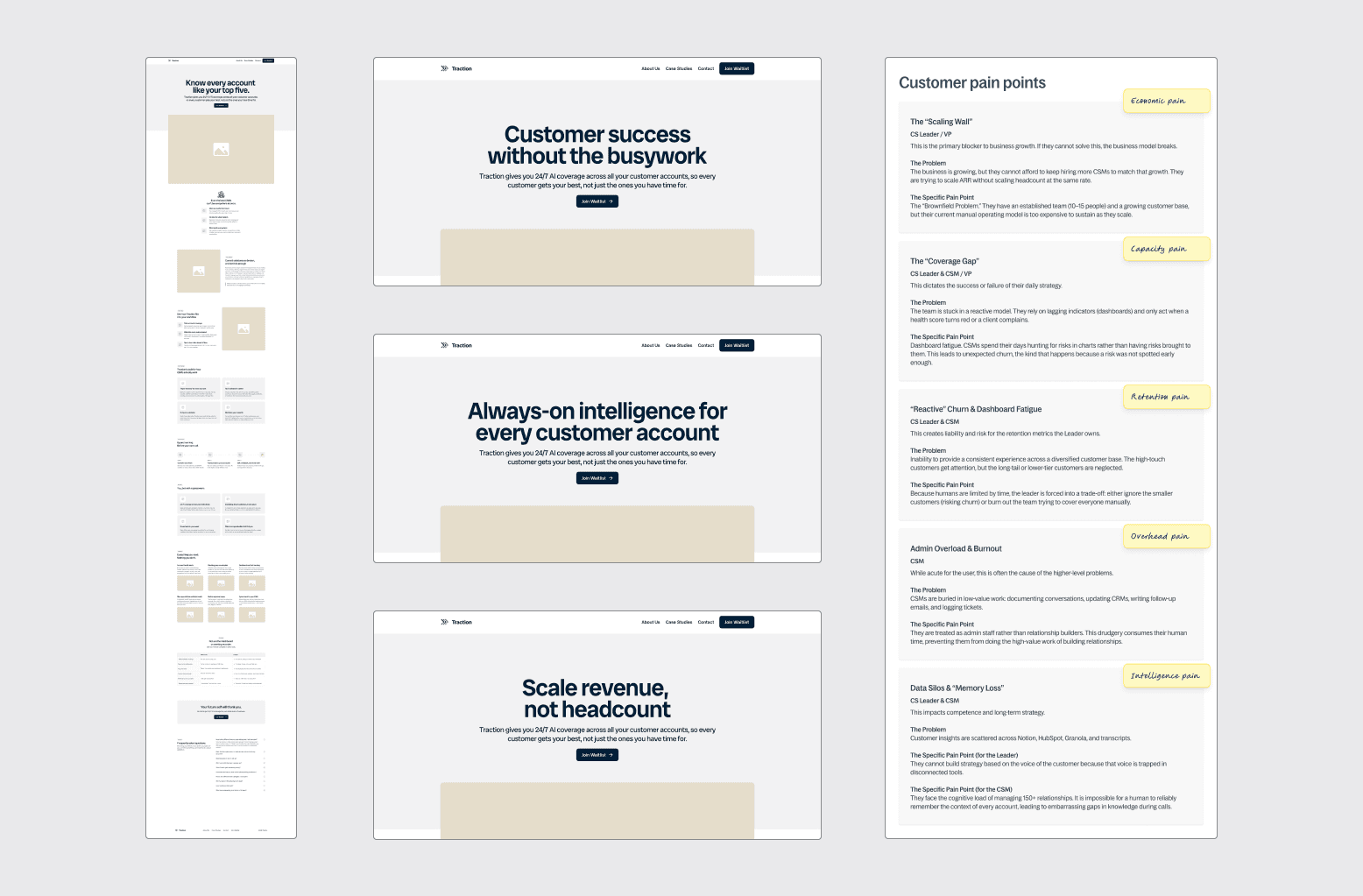
Approach. I started by defining Traction’s brand voice and building audience personas: CS leaders focused on retention and expansion, and CSMs seeking efficiency and coverage. I mapped unique value propositions to each persona and conducted a competitive analysis to clarify Traction’s differentiation, guiding the team toward a focused, niche strategy. Using “day in the life” scenarios, I prioritized key features. I designed and wrote the landing page with wireframes targeting core customer pain points, repositioned the product to empower CSMs to know all their accounts, including their top five, and ghostwrote LinkedIn posts to amplify this message. I also developed brand and content pillars and created an influencer kit for a CS media partner.
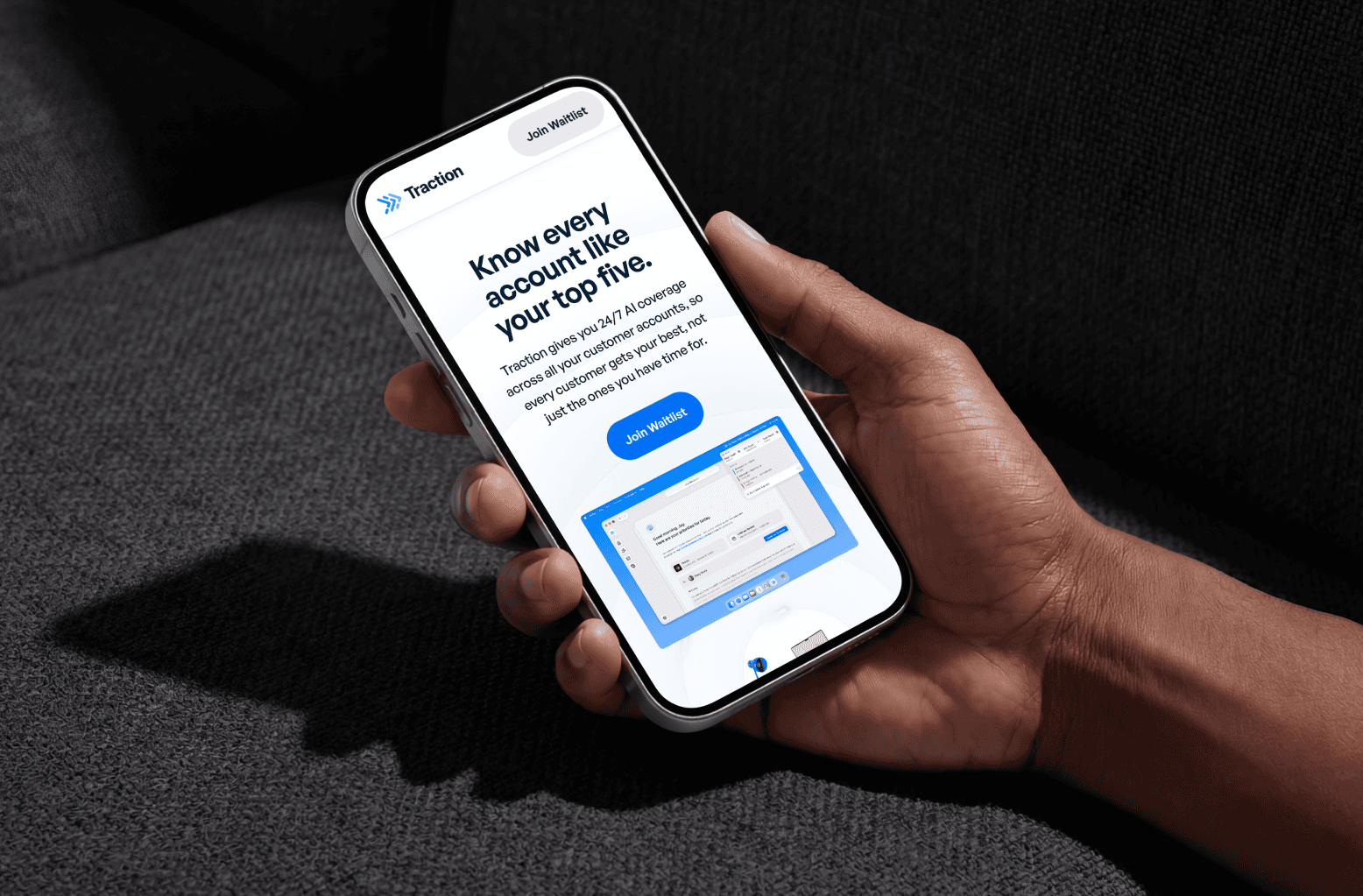
Outcome. We launched Traction with a new landing page tailored to CSMs, featuring messaging that addressed their real pain points and unified the brand voice across all materials. I provided the team with a clear framework, brand and content pillars, detailed personas, and a differentiated positioning, enabling Traction to own a distinct market space. This work was completed part-time in just 18 working days over six weeks, demonstrating strong, flexible execution.
Behind the Scenes
See some of my work, behind the scenes in Figma.